Tonnye Fletcher
  • WELCOME
  • About
  • MUSIC PLANTS HOPE
  • PBJamz
  • Snippets
  • Contact
  • Events
  • Bio/Press kit

Spotlighting
picture books (PB)
with
musical hooks (Jamz)

Picture

PBJamz!

Logo by Allison Strick
Sign up below for PBJamz updates and a periodic newsletter (monthly or less)

SAMBA: THE HEARTBEAT OF A COMMUNITY by Philip Hoelzel

9/17/2025

6 Comments


Journeys -- of Books and Musicians and Writers

Join Philip and me for a fun conversation about all kinds of journeys and learn a lot about samba along the way -- did you know samba isn't just the dance?  Dig in with us to find out more about samba, more about Ailton Nunes, more about music and percussion and. . . well, just dig in and find out more!

SAMBA: THE HEARTBEAT OF A COMMUNITY: AILTON NUNES'S MUSICAL JOURNEY

Picture
A beautiful story of persistence, lessons learned and then passed along, and  . . .music!  SAMBA beautifully captures the heart of Ailton Nunes and his community and their love for salsa.  There are so many nuggets here -- even in his dedication, where Philip honors his own elementary music teacher -- the value of a good teacher is definitely a present theme, along with resilience, persistence and tenacity.  Valuing and honoring your roots is an underlying theme as well.  The story follows Ailton from his childhood in an impoverished community, through his discovery of his love for music, his own musical education, and how he helped his community redeem their winning status.  Hoelzel's respect for Ailton is palpable.  The back matter is full of helpful definitions, musical instruments of samba and a concise biography of Nunes and a brief history of samba music.

A Little Jam. . .(The Music Kind)

Check out Ailton and his mad samba percussion skills for this celebration. So fun and a perfect piece to use in your music classroom or your regular classroom or anywhere that needs a little music and a little joy and a big beat! If this one isn't your jam for whatever reason, check out the YouTube playlist in the links section for more musical selections to accompany this book.

​Teacher Tips, Tricks and TopicS

SEL!
  • The themes in this book are very well-suited for SEL focuses:
    • ​Resilience
    • Persistence
    • Tenacity
    • Consequences of actions/cause & effect
    • Balancing responsibility with pleasure
    • Learning from our mistakes
    • Discipline
​​SOCIAL STUDIES
  • Brazil
    • ​Geography
    • Maps
    • Cities
    • Culture (esp. music and dance)
    • Celebrations
    • Samba schools
  • ​​Wants/needs
  • Timelines (in conjunction with math -- number lines)
ART
  • Fashion/costume design
  • Creating musical instruments from available materials
​ELA
  • Figurative Language
    • ​Similes
    • Onomatopoeia
  • ​Cause/effect
  • Features of text (font and size)
​MATH
  • Timelines (in conjunction with social studies)
  • This story includes lots of numbers and would be very easy to create story problems.​

​​Tips and Topics for Music TeacherS

SAMBA
  • Music
  • Dance
  • Culture (Carnaval, etc.)
  • Samba Schools
​PERCUSSION!
MUSICAL VOCABULARY
  • Check the back matter for glossary and musical instruments
BIOGRAPHY of Ailton Nunes
CREATING INSTRUMENTS FROM AVAILABLE MATERIALS
"FOUND" MUSIC

PARTNER BOOKS:
BUILDING AN ORCHESTRA OF HOPE by Carmen Oliver
Delia Ruiz's board book series on Latin dances
​

​​Writing Prompts from TonnyE

  1. Listen to some samba music and free write as you listen.
  2. Write an acrostic poem about samba music.
  3. Research samba in Brazil and write a report.
  4. Write about a young girl who wanted to become a samba percussionist.
  5. What is the most important lesson you learned from Ailton Nunes?
  6. This book has lots of onomatopoeia. Write your own story or poem with onomatopoeia.
  7. Write a "how-to" piece explaining how to create a percussion instrument from "found" objects.
  8. Would you want to play in a bateria?  Why/why not?
  9. Compare this book to BUILDING AN ORCHESTRA OF HOPE. Find at least 5 similarities and 5 differences and write about them.
  10. Why do you think Ailton Nunes was so successful with his music?
  11. What are some important lessons he learned along the way?
  12. Draw a picture of a fancy carnaval costume. Then write a paragraph describing it.
  13. This book has quite a few similes.  Try crafting 10 beautiful similes.
  14. Write a letter to Ailton Nunes and/or the author, Philip Hoelzel and tell them what you enjoyed about the book.
  15. Make a list of the onomatopoeia in the book and use those words to write a different story.

Writing Tips from Philip

  • Write what you know and/or are interested in because publishing can be a long process. Don’t chase trends.
  • Don’t be afraid to try new things. Just say yes. You never know where saying yes can lead.
  • Your free time is your own and it is precious. Use it to invest in your interests, goals or dreams.
  • Take a writing or illustration class or two to get an idea of how books for children are made.
  • When you are really stuck on a manuscript, let it rest for a while (two weeks, three months, six months) Work on something else.

Links, More Fun, Extensions for Families and Everyone!

YouTube playlist has  examples of samba music, information about Ailton, exercises for the music classroom and more!

Pinterest board full of samba music, activities for the music classroom, and more!

Guest Links and Giveaways
​

Picture
Philip's website

Philip's Instagram

Philip's Goodreads page for SAMBA (for purchase information, to read and leave reviews)


Philip has generously offered a virtual classroom visit to one lucky winner!  If you'd like to be eligible to win a classroom visit, simply leave a comment below! (If you are not a teacher, I'm sure Philip will honor the visit to a school or teacher of your choice.  What a lovely gift to give a teacher!)
6 Comments

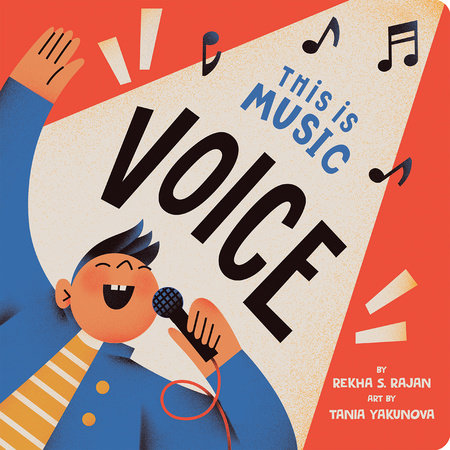
THAT SWINGIN' SOUND by Rekha Rajan

9/2/2025

19 Comments


Music, Access, Creativity, and Much, Much More

If you love books and music, don't miss this conversation about collaboration, the power of persistence and tenacity, and lots of gushing over beautiful illustrations and amazing music by two dear friends who are inviting you into this precious conversation!

THAT SWINGIN' SOUND:The Musical Friendship of Ella Fitzgerald and Louis Armstrong

Picture
This beautiful book gives some of the backstory of two of the most iconic jazz performers of the mid-twentieth century, and then details how their twisty, twining, challenging paths eventually brought them together where they experienced even more success.  The language of this book takes the journey too -- twisting dance words into melodies and song into movement. Rekha does such a lovely job of creating music with her words all the way through this text in so many ways  --from rich similes to fun scat sections to simply beautiful combinations that sing and play their way through the book.  The art also sings and swings its way from page to page and cover to cover.  What a beautiful book about a beautiful duo that made beautiful music that makes all our lives more beautiful!

A Little Jam. . .(The Music Kind)

Choosing this was hard!  There is so much amazing music by Louis and Ella!  I chose this one for a couple of reasons:  It has them singing separately and together. Louis plays his horn. It's appropriate for kids (I try to choose pieces without a lot of heavy romance, ie kissing, etc.).  If it had them scatting it would be absolutely perfect, and if it was a live performance video, it would be even more perfect. Sigh. We can dream.  I can tell you this -- I cannot listen to Louis without smiling and Ella's voice often makes me just close my eyes.  This music -- pretty much anything by this duo is absolutely sublime!  If this one isn't your jam, there are plenty more on the YouTube playlist, along with play-along videos, body percussion, sing-alongs and more. Check it out in the links section.

​Teacher Tips, Tricks and Topics

  • Social Studies
    • Black history/civil rights
      • Apollo Theater
      • Black performers vs. white performers (difference and similarities)
      • Change over time -- black performers in the 1940s-1960s compared to black performers of today.
    • US Geography -- New York, New Orleans (and lots of other places mentioned in the book), map skills, compare and contrast various places, etc.
    • Various forms of transportation
      • Walking
      • Riverboat
      • Trains
      • Cars (pictures only in the book)
  • SEL (Social/Emotional Learning)
    • The power of teamwork
    • Resilience
    • Perseverance/Tenacity
    • Being brave/trying something new
  • ELA (English/language arts/reading/spelling)
    • Nonsense words (tie in with scatting)
    • Onomatopoeia
    • Figurative language
      • Similes (scavenger hunt in the book, use as mentor text, write your own similes, etc.)
    • Verbs
      • Strong verbs vs. weak verbs
      • Changing forms -ed, -ing endings, etc.

​​Tips and Topics for Music Teachers

  • Music History 1940s-1960s
    • Civil rights and its impact
    • The rise of jazz
    • Famous black performers
    • Musical styles 
    • Musical landmarks
  • Biographies
    • Louis Armstrong
    • Ella Fitzgerald
  • Jazz as a genre
    • Instruments
    • Performers
    • Characteristics
  • Scatting
    • Who?
    • Why?
    • How?
  • Jazz rhythms
  • Careers in music
    • Singer
    • Instrumentalist
    • Dancer
    • Producer
    • Theater director
    • Teacher

​​Writing Prompts from Tonnye

  1. Choose a song by Louis and Ella.  Close your eyes and listen to the whole piece of music. Then write a sentence, paragraph, or longer piece (depending on age and ability) about your thoughts and feelings about the piece.
  2. Louis played trumpet and sang.  Which would you rather do?  Why?
  3. After reading the book, what was your favorite page or spread (2 facing pages)?  Write about why you chose that part.
  4. Louis Armstrong was often called "Louie" Armstrong, but he said in an interview he actually preferred Louis "Lewis".  If your name can be pronounced more than one way, write about which pronunciation you prefer and why.  OR if you have a name that is often mispronounced, or people call you a nickname or something different, write about that and how it makes you feel.
  5. Louis and Ella made quite a team!  Write a story about a set of partners that are better together than they are apart.
  6. Write a story about Louis and Ella told from the point of view of Louis's trumpet and/or Ella's microphone.
  7. Change Louis and Ella into animal characters. Write THEIR story.
  8. Ella and Louis mostly sang and played jazz music.  Do you like this genre? Why/why not?
  9. Both Ella and Louis were famous for their scatting skills.  Scatting is singing in the moment with made-up/nonsense words.  Write your own song using nonsense words.
  10. Ella was an orphan (She didn't have living parents who took care of her.) Write about how you think it would feel to be an orphan.
  11. Louis got in trouble in New Orleans for disturbing the peace and was taken away from his family and had to live far away.  How do you think he felt being far away from the people he cared about?
  12. Have you ever gotten in trouble?  How did it make you feel?
  13. Louis and Ella both had moments where they were afraid.  When you are afraid, what do you do? How do you handle being afraid?
  14. Write a letter to the author and/or the illustrator, telling them your favorite parts of the book. Include at least one question you have about their work.
  15. Write a poem about something the book made you think about.
  16. When things got hard or scary, Louis and Ella did not give up.  Why is it important to keep trying even if you feel scared or if what you're trying to do seems too hard?
  17. What is one important lesson we can learn from Louis and/or Ella?  How can you use that lesson to help you or someone you care about?  
  18. Take a music walk!  10 minutes. Walk around your school, your neighborhood, or your yard or a park.  Jot down all the "music" you hear.  Then go home and write about your experience hearing music everywhere.

Writing Tips from Rekha

When I finish a manuscript (even if I think it is done and perfect), I step away from it for a couple of weeks and come back to read with fresh eyes. It ALWAYS helps me to tweak and make edits!

Links, More Fun, Extensions for Families and Everyone!

YouTube playlist with so much Louis/Ella music, along with karaoke versions of some of their music, commentary, music class activities, biographies and more!

​Pinterest board full of jazz info and activities, scat singing, biographical info, coloring sheets and other things related to Louis and Ella.

Guest Links and Giveaways

Picture
Check out Rekha's links, visit her website, order her books (Review them and request them from your library as well!!). Visit and follow her on socials and see how and where you can connect!  Make sure you leave a comment below so you're eligible for her giveaways!

Rekha's website
​
Rekha's Twitter/X
​Rehka's Amazon page (with all her books)
Rehka's Goodreads page

Goodreads page for THAT SWINGIN' SOUND (due out October 14, 2025!). Pre-orders are available! Read reviews, find out where to purchase, write your own review!

Rekha is offering a Winner's Choice Giveaway!  Leave a comment below to enter and IF you win, you can choose one of the following:
  • A copy of THAT SWINGIN' SOUND
  • A virtual school visit
  • PB critique

19 Comments

MUSIC OF THE MOUNTAINS by Sabrina Shah

8/20/2025

7 Comments


Musical, Cultural Writerly Conversation with Sabrina

Join Sabrina and me as we have a lovely writerly chat about music, culture, picture books and more! We talk about using picture books in the classroom and how they can serve as windows and sliding glass doors for students, as well as benefits picture books provide to adults as well as children. Listen in and feel free to share your thoughts in the comments below.

MUSIC OF THE MOUNTAINS by Sabrina Shah

Picture
MUSIC OF THE MOUNTAINS, written by Sabrina Shah, with art by Minal Mirza is lush in its culture, its language and its art.  It is a story of courage and perseverance.  Roohi is learning from her Neeka Baba (grandfather) to play the rabab, but she isn't feeling confident and ready to play for her school's Eid celebration.  When Neeka Baba falls ill, it makes it even more difficult for Roohi to practice.  This book is beautiful in theme as well as words and pictures.  It honors our ancestors and what they taught us. It honors those who empower us to find our own voice and make our own music.

A Little Jam. . .(The Music Kind)

I chose to highlight this piece of music for a couple of reasons: 1.  Some beautiful close-ups of the rabob and 2. gorgeous mountainous scenery of Pakistan that ties in so well with the title of the book.  There are additional rabab selections in the links section on the YouTube playlist. You can also find a QR code in the back of the book which will lead to some authentic rabab music as well.

​Teacher Tips, Tricks and Topics

Social Studies!
  • Pakistan
    • Geography/map skills
    • Culture
    • Virtual tour
    • Eid
  • ELA (English/Language Arts)
    • Onomatopoeia
      • Scavenger hunt (in the book or see if you can find real life examples of the onomatopoeia that are mentioned in the book)
      • Charades/Act it out/Guess the onomatopoeia
      • Onomatopoeia poems
      • Check Pinterest board in the links section
    • Alliteration
      • Search and find
      • Write you own alliterative phrases/sentences
      • Check Pinterest board in the links section
    • Other poetic/figurative language
      • Metaphor
      • Personification
      • Simile
  • SEL (Social Emotional Learning)
    • Bravery/courage
    • Persistence/Tenacity
    • Stage fright/nervousness/anxiety
  • Art integration
    • Henna "tattoo" hands art projects
    • Check Pinterest board for other artistic connections

​​Tips and Topics for Music Teachers

Cultural music from Pakistan
  • Rabab
    • Listen to examples
    • Explore a rabab in person if practical or use images or videos to show close-ups
    • Learn more about how rababs are made and/or played
  • Compare music of rabab and other string instruments
    • String instruments from around the world
    • String family
    • Compare rabab with guitar
  • Rhythm patterns from the book (Clap them, use notation, use "clap" [quarter note] and "de" [eighth note] to create additional patterns)
    • clap de clap clap
    • clap de clap de de
  • Rhythm vs. beat
  • Musical vocabulary
    • rhythm
    • beat
    • harmonious
    • rabab
    • concert
    • pegs
    • strings
    • chords
    • strums
    • stage
    • note
    • melody
    • audience
    • pluck 
    • strum
  • Check out the back matter of the book for more musical ideas!
  • The Pinterest board and YouTube playlist have additional ideas

​​Writing Prompts from Tonnye

  1. Write a report about a rabab
  2. Write about a time you were trying to learn to play an instrument
  3. Have you ever had to have courage about something?  Write about that.
  4. Write your own story about someone who is very anxious or nervous.
  5. Do some research on a topic from the book and write a report (Pakistan, rabab, Eid, etc.)
  6. Write a story about girls getting their hands decorated with henna.
  7. Write a story about you and one of your grandparents.
  8. When Roohi's grandfather is in the hospital, she wipes away tears. Write about a time you were sad because someone you care about was sick.
  9. Would you rather play a guitar or a rabab? Why?
  10. There is a lot of figurative language in this book.  Write a story about your family that includes at least one example of personification, metaphor, simile, onomatopoeia, and alliteration.
  11. Write about a concert you either attended or performed in.  Describe it. How did it make you feel?
  12. what is the difference in rhythm and beat. Which one is more important? Why?
  13. Write about a celebration in your culture where there might be a concert or a performance.
  14. Write an alliterative poem about your favorite musical instrument.
  15. Write song lyrics for a song celebrating something special to you.
  16. Write a diamante poem with rabab at the top and guitar at the bottom.
  17. Write a letter to Roohi, encouraging her to keep trying.
  18. Write a letter to the author, telling her your favorite part of the book, and one thing you wish she had done differently.
  19. Neeka Baba tells Roohi to "feel the rhythm, feel the beat  of your people." What do you think he meant by that?
  20. If you were to write about the rhythm or the beat of YOUR people, what would it sound like?  Write about that.

Writing Tips from Sabrina
​

  1. Age old but a classic - read read and read some more. If you want to write a certain genre or in a specific style, read books in those genres and styles. Be a sponge and learn from them - ensure you are studying those mentor texts. You really can't write something you've never tried to read before. 
  2. Beware the burn-out. We always say 'try to write everyday' but sometimes pushing ourselves to do that results in work which feels forced; alongside emotions such as writer's guilt, imposter syndrome and even lack of writer's worth. Know when to have that break from your manuscript because life does inevitably get in the way and to force yourself to keep going in your writing world can actually make you crumble faster. Listen to your mind and body. 
  3. It's okay going back to previous drafts - pick that line back up, readjust a character arc - you don't need to throw it all on the back burner forever if you feel something is missing. Some of our best work comes from earlier ideas and brainstorms when they are fresh and haven't had a thousand pieces of feedback thrown at it - but know how to integrate it into your newer version and ask yourself over and over 'does it work'. 

Links, More Fun, Extensions for Families and Everyone!
​

YouTube playlist with rabab music, videos about Pakistan culture, Eid celebrations, and activities for the classroom.

Pinterest board with crafts, Pakistani information for kids, classroom activities, pictures of rababs, etc.

Guest Links and Giveaways

Picture
Sabrina's socials and links:
www.sabrinashahauthor.com
Instagram | X | Facebook | Bluesky

​MUSIC OF THE MOUNTAINS Goodreads page (check out reviews, find links for purchasing, leave a review and more!)

​Sabrina is offering a picture book critique to one lucky winner!  To be eligible to win, simply leave a comment below
7 Comments

MUDDY PUDDLES with the Author/Musician AND the Illustrator

8/2/2025

6 Comments


Collaboration, Self-Publishing vs. Traditional, From Song to Picture Book and More. . . with Laura Doherty and Jane Smith!

What a treat to have a fun and candid conversation about collaboration between author and illustrator, when self-publishing might be best, the importance of platform, transforming a song into a picture book, what kids love, and much, much more!

MUDDY PUDDLES -- a Sing-Along Book by Laura Doherty, illustrated by Jane Smith

Picture
What a fun little song that turned into a fun little book!  A fantastic collaboration between singer/songwriter/children's musician, Laura Doherty and illustrator, Jane Smith.  Laura is based in Chicago, but travels the country sharing her super-fun music for kids in performances.  Jane is author and illustrator. In this case, she's the illustrator for this sing-along picture book.  The book highlights all the fun that can come in spring on the farm when the rain falls and muddy puddles appear. Be sure to check out the song wherever you stream music too!

A Little Jam. . .(The Music Kind)

Well, of course, if it's a sing along, what else would we use?  This is Laura's version of Muddy Puddles -- so fun! Spring, bluegrass, farm animals, mud -- full of fun stuff that kids will love!

​Teacher Tips, Tricks and Topics
​

Check out these tips for the regular classroom!

Recommended ages/grades:  Preschool - 2nd grade (ages 2- 8+)​

Themes/Topics:  Farm/Mud
  • Farm!
    • Farm animals -- Other farm songs, stories, animal sounds and movements, crafts, role play, puppets, sensory experiences, etc.
      • Pigs
        • Fun facts
        • Life cycle
        • Why do they like mud?
      • Cows
        • Fun facts
        • Life cycle
      • Ducks
        • Fun facts
        • Life cycle
      • Chickens
        • Fun facts
        • Life cycle
      • Cats
        • Fun facts
        • Life cycle
      • Mice
        • Fun facts
        • Life cycle
    • Farmers
      • Jobs/tasks
      • Different kinds of farmers
    • Tractors
      • Different sizes
      • Different jobs
  • Spring as a season
    • Rain
    • Mud
      • How mud is made
      • What can you do with mud?
    • Puddles
      • Favorite activities with puddles
    • Weather
    • Clothing needed
  • Repetition
    • Listen for/find it in the story
    • Discuss -- WHY did the author repeat certain things?
  • Onomatopoeia
    • Scavenger hunt. . .
    • What other word sounds could she have included?
    • Can we create a list of 
  • Action words (verbs)
    • scavenger hunt in the text
    • movement activity
  • General 
    • Have kids TELL the story of what's happening in the book.
**Be sure to check out the Pinterest board and YouTube playlist in the links section for lots of crafts, preschool activities, additional songs and more!

​​Tips and Topics for Music Teachers
​

  • Perfect sing-along book for preschool and for kindergarten - 2nd grade (maybe)
    • Lyrics for tracking/fluency practice
    • Form (ABABABB; verse, chorus, verse, chorus, verse, chorus, chorus)
  • Listening activities 
    • Listen to song for various things
      • Animal sounds
      • "muddy, muddy puddles"
      • Different instruments
      • etc.
    • Bluegrass genre
      • 5-string banjo
      • Genre study
      • Traditional bluegrass instruments
      • Play-alongs, body percussion and other fun activities with bluegrass music.
**Check Pinterest board and YouTube playlist for additional activities and specific exercises, etc.

​**Also check out the last page of the book for the sheet music and movement activities.

​​Writing Prompts from Tonnye
​

  1. Write one more verse for MUDDY PUDDLES.
  2. Write your own poem or song about mud puddles.
  3. Write an adventure story about a pig that swims across a huge mud puddle and discovers something incredible.
  4. Write about a mud memory -- jumping or playing in puddles, making mud pies or playing in a mud kitchen, etc.
  5. Write a story about the pig named Muddy Puddles.
  6. Write a story from the perspective of one of the other farm animals.
  7. Write all the facts you've learned about bluegrass music.
  8. Make a list of all the instruments in the book and write everything you know about each instrument.
  9. Write a recipe from the "Mud Kitchen"
  10. Write a story or poem about a chicken, mouse,  dog, cat, duck, cow, etc. sho plays an instrument. Which one? Why? What's hard about it.
  11. Write a story about a very unusual farm.
  12. Write a poem about mud or farms.
  13. What is your favorite bluegrass instrument? Why?
  14. Which is your favorite farm animal? Why?
  15. Write a letter to the pig.
  16. Write a letter to the author and/or illustrator (Tell them  5 things you love and ask a question or make a wish.
  17. Write a story or song about these farm animals taking their bluegrass band on the road.
  18. Listen to some instrumental bluegrass music and write about how it makes you feel, what you picures.
**While young children may not have a huge grasp on handwriting OR creative writing/organizing and communicating thoughts and ideas, it's important to give "voice" to their ideas. You can have them draw pictures or dictate their story to an older child or adult who can write it down..Or simply do some oral storytelling.  Just get them dreaming, brainstorming, being creative and putting stories together!

Tips from Laura and Jane!

Writing and Illustrating Tips from Jane

  1. When writing and/or illustrating picture books, keep the final physical product in mind. The way readers interact with a physical book—turning pages to see and read one piece of the story at a time—are opportunities to control pacing, build tension and create climatic surprises.
  2. Look for moments where hand-lettering the text can enhance the storytelling and create verbally AND visually dynamic scenes.
  3. Read your working picture book manuscripts out loud, and also listen to others reading your manuscript out loud. Hitches in word choice, pacing and flow will instantly be illuminated.
AND. . . Songwriting tips from Laura:

--I often start with a phrase that catches my attention and go from there when writing a song. I wrote a song called "Now I Go to School" and it's based around a friend's son who was nervous about his first day of Kindergarten, and then came home from his first day of school saying "I'm sorry, Mommy, I forgot to miss you because I had so much fun today". I thought that was a great line for a song, so I incorporated into a whole song about all the new things kids experience on their first day of school! Kids say so many great phrases that can be turned into songs!
https://www.youtube.com/watch?v=LFLrRKWhsKU

-- Sometimes it takes years for songs to completed. The "voice memo" feature on my phone is my friend! I have snippets of songs on there from years back. It's a great tool for getting ideas down. 


--I love to write songs about animals. Kids love animals and animal puppets. I have lots of puppets and animals stuffies that I've bought or have been gifted to me for classroom use, that often get a song written about them. My mom gave me a Flamingo beanie baby and that's how my "Domingo the Flamingo" song was born. It's a song about the days of the week, and Domingo's favorite day is Sunday!
https://www.youtube.com/watch?v=8TxS5l1Ej0k

And also, Muddy Puddles! My friend's daughter had a pig puppet that she gave me, and I named him Muddy Puddles and then at one of my shows one time, I asked a little girl what I should write about next, and she said "Muddy Puddles", and then the song was born!  If you have a stuffie or puppet, give it a name and bring it to life! There's so many adventures that a puppet can go on, that can be turned into a story or a song, or both!

Links, More Fun, Extensions for Families and Everyone!

YouTube playlist with over 40 pieces that are a great companion to the book MUDDY PUDDLES.

​Pinterest board with lots of links for activities, crafts, songs, etc. to go along with this book, MUDDY PUDDLES.

Guest Links and Giveaways
​

Jane's  socials:
Web site: www.superjane.com

Facebook, Instagram, Pinterest and YouTube: @superjanesmith
Twitter/X: @superjaneartist
Substack: @superreadersclub

Laura's socials:
Website: http://www.lauradohertymusic.com
YouTube: https://www.youtube.com/@LauraDohertyMusic/videos
Instagram:  https://www.instagram.com/lauradohertymusic/
Facebook:  https://www.facebook.com/lauradohertymusic

To purchase or review the book:
Goodreads: https://www.goodreads.com/book/show/230971485-muddy-puddles

Barnes & Noble: https://tinyurl.com/nx2yxt2a

Laura and Jane have generously offered to give a double-signed copy of the book to one lucky winner! To be eligible, simply leave a comment below.
6 Comments

TAPPING FEET by Moira Rose Donohue

6/4/2025

2 Comments


Creative and Inspiring Chat with Moira!

Join Moira and me for a delightful conversation about history, music, inspiration, dance, hope, rhyme, and more! Moira's conversations are always chock full of useful writing tips, interesting tidbits, and tons of inspiration! Listen in and find out where this book idea came from and how it led to another book, rhyming tips, and some inspiring thoughts about how music and dance plant hope in our hearts. Such a rich and fun conversation!

TAPPING FEET: HOW TWO CULTURES CAME TOGETHER TO MAKE AN AMERICAN DANCE

Picture
A book for the ages that weaves history, music, and dance into a delightful tapestry of creativity, telling the story of Tap dance -- an American art form. From Ireland to slave quarters in the South to New York City, the author traces the fascinating history of  tap dance. Tap became a dancing melting pot that echoed the population of the neighborhood in New York where tap dance originated and would take the country -- and eventually the world by storm. Born from challenges and struggles and the joy and hope that are sometimes buried deep in our souls during hardship, tap dance is the perfect style of dance for all the people of America -- the perfect way to express our history, our culture, our heart, and our future.  Kudos, Moira, on a beautiful book that tells an important story!  And kudos to illustrator Colin Bootman on bringing every glorious detail beautifully to life.  Get your tap shoes out and turn the music up for this one!

A Little Jam. . .(The Music Kind)

This is the video I thought of as soon as I read the blurb for TAPPING FEET.  I love it so much. It tells, through dance and music and humor, a similar story to the one Moira and Colin tell with words and pictures.  There is another version that Riverdance did a few years later in the YouTube playlist, along with lots of other resources for all ages. Be sure to check it out in the links section!

​Teacher Tips, Tricks and Topics

  • Rhyme -- Since this book has rhyming sections, it's a perfect book to help teach rhyme or provide additional practice
    • Rhyming word scavenger hunt/matching activity (Find the word that rhymes. . . .)
    • Have students create their own rhyming couplets, tercets, or quatrains
    • Find the rhyming section on each spread
    • Distinguish between rhyming/non-rhyming sections
  • Features of text/FONT -- One of the ways to find the rhyming sections is to look for the font change, so this book is perfect for looking at how and why authors and publishers use different fonts in the same book
  • History!!!
    • History of tap dance in America
    • African-American history
      • slavery
    • Irish-American history
      • potato famine
    • Immigration (and the difference in immigration and slavery)
    • melting pot
  • SEL -- the power of welcoming (or not); Compare to how students feel; build empathy and compassion; (Depending on the age), discuss cultural identities that may not feel welcome today and how can we change that?
  • Dance -- Love of dance, history of tap dance
    • Venn diagram comparing Irish dance and African American dance
    • Biographies of famous dancers listed in the book
      • Bill "BoJangles" Robinson
      • George M. Cohan
      • William Henry Lane/"Master Juba"
      • John "Jack" Diamond
      • Nicholas Brothers
      • Clayton "Peg Leg" Bates
      • Gene Kelly
      • Fred Astaire
      • Ginger Rogers

​​Tips and Topics for Music Teachers

  • Check out the tips above (especially the dance section and biographies, as all of that applies here, too!
  • Tap dance
    • History
    • Steps
    • Learning to dance
  • Juba dance
  • Jazz
    • Jazz music and tap dance
  • Compare Irish dance and African juba
  • Watch and discuss the "Jam" above "Trading Taps" -- compare to book and discuss
  • Watch both versions of "Trading Taps" -- compare to book and discuss.
  • Celebrate Irish music and dance by reading the book and celebrating St. Patrick's Day
  • Celebrate African American music and dance by reading the book and celebrating African American history month/Black History Month.
  • Read and celebrate February into March and celebrate both cultures and their contribution to dance in America!

​​Writing Prompts from Tonnye

  1. Write a fictional story about a tap dancer.
  2. Write a letter from the African-American dancer to the Irish dancer (or vice versa).
  3. Write Moira Donohue an email telling her your favorite thing(s) about the book.
  4. Watch the two videos "Trading Taps" and choose the one you like the best. Write the interaction as a story.
  5. Write a poem about TAPPING FEET.
  6. Write your own rhyming poem about your favorite kind of dance.
  7. Choose one of the people mentioned in the book and research more about them. Write a poem or a biography or a report about them.
  8. Do you like tap dance? Why or why not?
  9. Try out one of the videos for a beginner tap lesson. Write about the experience. Was it hard? Easy? Just right? Something you want to continue?
  10. Watch the video from the YouTube playlist with Bill "Bojangles" Robinson and Shirley Temple on the stairs. Write five observations from that video.
  11. Watch a movie that features tap dance and write about whether it made the movie more interesting or not and why you think so. 
  12. Write a fictional story about two tap dancers that become friends.
  13. Write a fictional story about someone who wants to tap dance but doesn't have good rhythm.
  14. Write a story or poem titled THE TAP DANCER.
  15. Write a story or poem titled TONY TWO TAPS.

​Writing Tips from Moira

Picture

Links, More Fun, Extensions for Families and Everyone!
​

YouTube playlist with over 40 videos of tap dance, history, music, activities and more to support the concepts in TAPPING FEET

Pinterest board with lots of ideas for extending the learning with TAPPING FEET (worksheets, coloring sheets, exercises, history, hands-on activities, crafts, music, videos, books, etc.)

Guest Links and Giveaways

Picture
Moira's website

Email

Instagram. 

GoodReads page -- purchase a copy, leave a review, find out more!

Moira is generously offering up a copy of TAPPING FEET for one lucky winner!  To be eligible, leave a comment below by 11:59 PM EDT on June 18, 2025.
2 Comments

ROQUI'S PANDERO BEAT by Delia Ruiz

5/14/2025

3 Comments


A Chat with Delia

Come listen in as Delia and I chat about the inspiration and origin of her book, as well as it's journey to publication.  We dig into the musical connections in the book and so much more!  It's a delightful conversation that ends with what Delia has up her sleeve next!  Pop in and find out all about plena, panderos, coquis, bomba, and what books are coming next for Delia.  Be sure to check out all the resources below and share this episode with your favorite teacher, librarian, or family!  It's full of amazing music, nature, encouragement to dream and of course, a great book with a great story!

ROQUI'S PANDERO BEAT

Picture
Roqui is a tiny coqui with a big dream. He wants to be a drummer -- to play the pandero and make plena music like back home in Puerto Rico. When he moves to New York with his family, he feels smaller than ever. Roqui must believe in himself and try his best if he is going to play the pandero like his papa.  Sprinkled with Spanish and musical terminology, this story is a multi-layered journey from Puerto Rico to New York. It's perfect for ESL students and teachers -- or anyone who's ever had to leave home and adapt to somewhere new. It's also perfect for kids with big dreams -- or small bodies -- or both!  It's a great "I can" message without being preachy. It's also a great introduction to Puerto Rico.

A Little Jam. . .(The Music Kind)

Senor Matos gives a great demonstration and explanation of the three different pandero drums.   This is a perfect video for kids (and grown-ups) who want to understand what a pandero is, and how they are played.  If you want something different, be sure to check out the YouTube playlist in the links section below! There is ambient music with coqui song, songs about the coqui, more plena music, bomba music, dancing, information about Puerto Rico and more! There are also some great play-alongs too!

​Teacher Tips, Tricks and Topics
​


Social Studies
Puerto Rico study (geography, history, culture, music, etc.)

Science
Coquis -- life cycle, range, etc.

Math 
Story problems using coquis, pandero drums, musicians

ELA
onomatopoeia
Spanish vocabulary
Conversation/quotation marks
problem/solution

SEL
Tenacity
Positive thinking
​Affirmations
body positivity
​Moving cities/countries
​

​Tips and Topics for Music Teachers
​

  • The Music of Puerto Rico
    • Bomba
      • Instruments
      • Dance
    • Plena
      • Different types of pandero drums
      • Different rhythms/roles for each drum
  • Rhythm practice
    • Handheld drums (play-alongs, call and response, improvisation, reading rhythm cards, etc.)
    • Syllables in the book (cafe con pan, etc.)

​Writing Prompts from Tonnye
​

  1. Listen to examples of plena music and bomba music from Puerto Rico. Which do you prefer and why?
  2. Have you ever felt like you were too _______ to do something? (too small, too tall, too thin, too thick. . . ) How did that feel?  How did you handle that?
  3. Do some research on Bomba music and dance. Why was it important to the people of Puerto Rico?
  4. If you could play any instrument, which would you choose, and why?
  5. Write a story about a coqui frog.
  6. Write a song about the coqui frog or about leaving home.
  7. Have you ever had to move from one place to another? What was hard about the move?
  8. Write a story about a child that moves from you home town to ______.. What challenges do they discover? How do they overcome them?
  9. Are you close with your dad? If , what is one thing your dad does that you would like to do? How can you make that happen?
  10. Write a story about moving.
  11. Make a list of all the things you would miss about your home and your town if you had to move.
  12. Write a story about a character with a big dream.
  13. Write about the life cycle of the coqui frog.
  14. Write a story as a conversation between a parent and a child.
  15. Write a poem with a rhythm. Read it aloud while playing a beat on a drum. Make adjustments until they sound good together. Share it with someone.

Writing Tips from Delia

​I look at the first and last sentence of my manuscript and see if they align back to the theme. 

 I separate my layout into spreads and look at the final sentences. I ask myself, would this follow a page turn or would someone stop reading here? I want readers to be hooked and want to turn the page each time.

I don't write everyday but I find the time to do writing related things like cleaning up my workspace, writing bullet point ideas of potential book topics, reading, and resting.

 With revision, I wrote the entire PB story from scratch and see what moment stuck and which scenes generated new ideas / outcomes. This helps me keep the heart and adjust any areas I might want to change when I compare it to the original.

Links, More Fun, Extensions for Families and Everyone!

YouTube playlist featuring plena music, panderos, coquis, Puerto Rico, bomba music and more!

Teachers' Guide/Activities

Pinterest board with lots of related resources: Coqui, Puerto Rican music, maps, flags, history, coloring pages, and more!

Guest Links and Giveaways
​

Picture
Delia Ruiz 
Delia Ruiz is a first generation Latinx author. She enjoys creating teacher materials under her teacher store Aventuras En ESL. Aventuras En ESL is also her social media platform used to showcase diverse books, especially Latine/x book picks. Her published books include the International Latino Book Award-winning Roqui’s Pandero Beat and the !1,2,3 Baila! board book series. Delia enjoys time at home, writing, and going on long walks. She resides in Los Angeles with her husband and pug. She is represented by Sera Rivers at Speilburg Literary Agency.
​Website   
To purchase ROQUI'S PANDERO BEAT, visit Delia's website (this link)
​
Instagram

TikTok

FB

Delia is generously offering a signed copy of ROQUI'S PANDERO BEAT to one lucky winner! Simply leave a comment below by 11:59 PM on Wednesday, June 4, 2025 and we'll randomly select a winner.  


​

​
3 Comments

ABUELITA'S SONG with Gloria Amescua

4/30/2025

9 Comments


A Chat with Gloria

Listen in as Gloria and I chat about the origin of her book and it's journey, the musical connections, how language plays into the story, legacies, and lots more!  Join the conversation by leaving us a comment below.

ABUELITA'S SONG

Picture
Bilingual, full of music, gorgeous illustrations, an intergenerational story about love, lyrics, language, and legacy!  Such a sweet and lovely book about how the things we share that come from our heart come back to us sometimes in surprising ways! 

A Little Jam. . .(The Music Kind)

The original song! Sung by Gloria's Granddaughters! How sweet is this?!? Check out the links section below for even more videos, the sheet music and more! You and your littles can sing along with Gloria's granddaughters, or you can grab the sheet music and play along as well.  A sweet, repetitive lullaby that is a great introduction to Spanish for non-native speakers as well as a comforting lullaby in Spanish for families already fluent in Spanish.

​Teacher Tips, Tricks and Topics

Lullabies
  • History of lullabies
  • Lullabies in English and Spanish (and other languages)
  • Compare and contrast several lullabies
  • Analyze lyrics of lullabies
Spanish and English language
  • Learn Spanish/English words for sky objects (moon, sun, stars, etc.)
  • Learn Spanish/English words for body parts
  • Learn Spanish/English words for terms of endearment
  • Learn Spanish/English words for family members
​Discuss bedtime routines: similarities/differences
Find examples of personification
Verbs in different forms -s, -ed, -ing, etc.
Questions/Answers

​Tips and Topics for Music Teachers

  • Sing popular lullabies in different languages and from around the world.
  • Discuss lullabies and their purpose/history
  • Make up additional verses to the song
  • Share favorite lullabies from their family heritage
  • Use the sheet music in the back of the book:
    • Boomwhackers
    • bells/bar instruments
    • keyboard/piano
  • 3/4 time -- waltz beat
  • tap the rhythms of the music on bodies or on instruments

​Writing Prompts from Tonnye

  1. Write about your nighttime routine (or your memories of bedtime routines)
  2. Write about a favorite lullaby
  3. Make up your own lullaby. 
  4. Write a list of all the words you know in another language and translate them to English/your home language
  5. Write a poem about the sun, moon, and stars going to sleep
  6. Write a story about a kid who cannot go to sleep.
  7. Write a story about something that is special between you and your grandfather.
  8. Write an acrostic poem using the word lullaby.
  9. Write a song in 3/4 time signature.
  10. Write a letter to the author telling her if you enjoyed the book and why/why not.
  11. Write a letter to your grandma (abuelita) or grandpa (abuelito)


​Writing Tips from Gloria

1. Accept that your first drafts are usually pitiful. That doesn’t mean that they will stay that
way. When I first write something down, I start wondering if I will ever again have a
good idea or be able to make it better or get another book published. I have to push
those thoughts aside and keep working. I need to relish each small improvement and
enjoy that rush of “it’s better.” So, the most important thing is to let go of those fears
and keep revising, trying new things or putting that project aside and start working on a
new one. Now, it’s harder to let go, when you have been revising, using critique
partners’ feedback, putting months and months (possibly years) on a manuscript and
your agent and editor say, “No and no.” I’m working on letting go of that. Keep in mind
that you have other ideas, other possibilities waiting for your voice and kids waiting to
connect with your stories. Persistence is key.
2. Revision is the fun part of the process; it’s the real writing. I love seeing my story get
better and better with feedback from my critique group, agent or editor. I may have an
insight or idea that pops into my mind and I can try it. I can change a word here or there
and it’s so much better. I can cut something that isn’t needed because there is an
illustrator who is going to add their vision and magic. Okay, sometimes, I have to cut
something that I really, really love and want in, but I have to accept that it doesn’t move
the narrative forward. In the end, I’m glad because the story is better. My secret is to
think that I might use that tidbit in another story.
3. Read, read, read contemporary books that are like the ones you want to write. You can
write an analysis of what you like, what works and what doesn’t for you. Pick a mentor
book and try that approach or structure or a variation of it.
4. For me, the most important aspect is that I have to have an emotional connection to the
story. I have to relate to the anxiety, challenges, conflicts or love and tenderness
expressed by the characters and their actions. I spend a long time developing my stories,
especially my picture book biographies. If I’m going to spend part of my life writing a
story and promoting it, I have to feel it’s really touching readers in a significant way.

Links, More Fun, Extensions for Families and Everyone!
​

Gloria's links to the song and the sheet music

Pinterest board with more Spanish lullabies, nighttime crafts, Spanish language activities, and more!
YouTube playlist with lullabies, Spanish lessons and more!

​

Guest Links and Giveaways

Picture
Gloria's website

Links to purchase ABUELITA'S SONG
Book People link to purchase the book (Gloria mentions them in our chat.)
Abuelita's Song Goodreads page (You can leave reviews here, as well as on Amazon and B&N)

Facebook

Twitter/X

Instagram

Bluesky

​
9 Comments

TRACTOR DANCE

4/16/2025

8 Comments


Dancing Tractors, Poetry, and Pivots

Join Matt and I as we chat deets about his board book released in the Fall of 2024, poetry, the idiosyncracies of publishing and knowing when and how to pivot. AND, a little bit of chat about his newest book too!  Come listen in or leave us a comment to join the conversation!

TRACTOR DANCE

Picture
For a board book, Matt has filled this one full of layers.  You have farm equipment, animals, lots of dance terminology and a rip-roaring hoedown of a good time.  The illustrations are joyful and complete the festive farm mood.  This one is perfect for every tractor-loving dancing toddler/preschooler out there!  A fabulous addition to preschool and daycare bookshelves.  You could have a lot of fun with this one in your classes for littles or story time or anytime at home! Super-fun and full of down-home farm happy goodness on every spread. This book will have your littles boogying down on the farm!

A Little Jam. . .(The Music Kind)

 This song is super fun for the littles, and I love that it mixes in real footage of tractors doing their work on the farm alongside the silly and very entertaining cartoon dance sequences!  This song is perfect for all your farm-loving littles or your tractor-loving littles or your boogying littles -- pretty much for all your littles! Crank it up and have a tractor dance party! Be sure to check out the playlist below in the links section for lots more tractor fun, some hoedowns, tractor square dancing, a lot of Aaron Copland's "Hoedown" along with other fun music activities for kids.
​

Teacher Tips, Tricks and Topics

So fun!  Lots of layers! While admittedly, this (board) book is MOST appropriate for daycare and preschool and home settings, you could probably get away with using it in primary/early elementary grades, and there are some great reasons to.  If any of these apply, regardless of your setting, feel free to grab them and enjoy teaching with this joyful adorable book! (And don't forget to check out the Pinterest board and YouTube playlist for even more teaching opportunities!

Rhyme!
This is one of Matt's specialties, and it shows up great here!  
For littles, you could leave out words and see if they can predict the rhymes and just talk about the fact that it's a rhyming book. Generate verbal (or written if appropriate)lists of rhyming words.
For older/advanced kids, you could actually talk about rhyming patterns.  This one is an ABCB pattern (although a couple of spreads the lines get a little tricky, but the rhyme pattern continues throughout)
To take it even further, you could have students/children write their own poems with an ABCB pattern . . .

FARM!
Since that is the setting, it makes sense.  You could talk about the tractors and farm equipment, and other vocabulary that permeates the book: silo, neigh, plow, combine, etc.
The book is a great addition to a unit on farms!
Farm animals (and ones you don't typically think about being on farms -- like frogs) are another farm direction you could take the study. (The YouTube playlist has some nice farm ambience videos that would make the perfect backdrop)

Dance!
The book mentions several different types of dances that you could dig your heels into a bit more (pun definitely intended! ;-)
hoe-down
jig
promenading (The tractor square dancing videos in the YouTube playlist would be a hoot in conjunction with this!)
ballet/pirouette
shimmy-shake
country (line dances or two-step)
polka
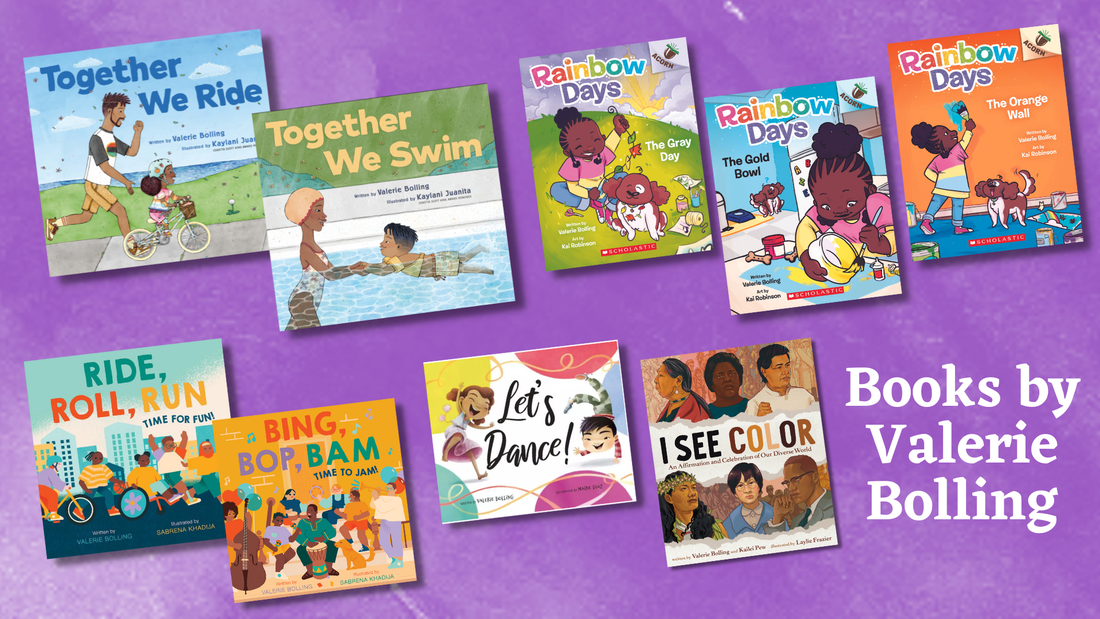
How fun to have a dance party featuring lots of different dance styles! You might think about pairing it up with LET'S DANCE by Valerie Bolling if you choose to focus on the different dance styles, because that is the focus of her book and you can find that PBJamz episode here.

Tips and Topics for Music Teachers
​

For preschool and kinders, I think it would be such fun to do a farm unit for music class. For that age group, here are some recommendations:
  • Check out all the amazing farm/music books:
    • BARNYARD BOOGIE by Tim McCanna (PBJamz episode here)
    • MISS MCDONALD HAD A FARM by Kalee Gwarjanski (PBJamz episode here)
    • Barnyard Dance! by Sandra Boynton
    • There are more, but these I think are especially appropriate
  • Use instruments to mimic the sounds or use for sound stories of any of these books.
  • Check out the square dancing tractor videos and get your littles to try some simple square dance moves.
  • Sing Old McDonald and all the fun farm songs in the YouTube playlist!
  • Lots of crafts/fun activities on Pinterest and you could put the ambient farm music in the background for a musical component, too!

For k-2, I think the book still has value and I think you could certainly do a compare/contrast between TRACTOR DANCE/BARNYARD BOOGIE/BARNYARD DANCE and then learn some simple dance moves. Some of the songs from the YouTube playlist would still be appropriate for this age, and I think kids of ALL ages will get a kick out of the square-dancing tractors! You could have students write new words for Old McDonald for the farm equipment. . . how fun! 

Regardless of the age/grade level, you could combine this with BARNYARD BOOGIE music activities and MISS MCDONALD HAS A FARM music activities as well and have your own classroom hoe-down!

Writing Tips from Matt!

​Re-write: If a manuscript or poem isn’t working, no one said you can’t rip it up and start over. Maybe try using a different POV, perhaps a change of scenery, or a change of character. See what happens!

Revise: If you have a manuscript or poem you really like, don’t stop there! Set it aside for a day, a week, or even longer – then go back to it with fresh eyes and see what works and what doesn’t. Change a word, change a line, polish, polish, ‘til it shines!

Recycle: I can’t count the number of poems and manuscripts that I have set aside because they just weren’t working. You probably have plenty, as well. So why not reach back into those dusty computer folders, pull one out, and see if there’s something you can do with it? Perhaps there is some nugget there you can use. Try rewriting, try revising, or even try writing it in a completely different genre! For example, my book “The Thing to Remember about Stargazing” started out as a poem that never made it into the anthology for which I wrote it - so when a well-known author/poet friend of mine suggested I flesh it out into a picture book manuscript, I decided I would do just that!

Writing Prompts from Tonnye
​

Considering this book will be most appropriate for the youngest learners, my writing prompts will be in line with that:
  1. Make up new words for Old McDonald, but use the farm equipment.
  2. Choose your favorite farm animal and write a couple of sentences about the music/sounds they make.
  3. Make a list of farm animals/equipment and beside each write an instrument you could use for that animal/farm equipment.
  4. Write down your favorite dance from the book and draw a picture to match.
  5. Draw a picture of your favorite farm equipment and write a couple of sentences about why you like it.
  6. Have you ever been to a farm?  Make three columns: Plants/Animals/Equipment and write as many items for each category that you saw on the farm.
  7. Write a class/family acrostic poem using your favorite farm word/phrase.
  8. As a class/family, make a chart of as many rhyming word families as you can. (Start with the pairs in the book and see how many you can add.)

But for the writers, older kids, and adults who want a farm challenge, too:
  1. Write your own story about music on a farm.
  2. Write a poem with ABCB rhyming pattern. (Will yours be set on a farm, too? Or somewhere else?)
  3. Write another story with a tractor as the main character.
  4. Write about your favorite kind of dance and why you like it.
  5. Write about a tractor square dance where something went very wrong.
  6. Write about a different piece of farm equipment besides the tractor.
  7. Write about one of the farm animals who would like to use one of the farm machines. What is the problem? How do they solve it?
  8. Write a sensory poem about life on the farm.
  9. Write a letter to Mr. Esenwine telling him your favorite thing about the book and one thing you wish was different.
  10. What song do you think the farmer was singing at the end of the story? Pick up there, and write a NEW story starting with his song.

​Links, More Fun, Extensions for Families and Everyone!

YouTube playlist full of real square-dancing tractors, lots of Aaron Copland's Rodeo music, some fun musical activities and a ton of tractor songs and videos for kids. I also included some farm ambience videos as well.  There is something for everyone in this list, and I'll continue adding as I find pieces that are a good fit.

Pinterest board with tractor party ideas, tractor crafts, tractor songs, and much more that connects with the book TRACTOR DANCE.
​

Guest Links and Giveaways

Picture
Matt's website

​Matt's blog (where you can find the Poetry Friday posts we discussed)

Matt's YouTube with interviews, Wit & Wordplay and much more!
Wit & Wordplay playlist

Matt's Twitter/X
FB


To buy TRACTOR DANCE
ON AMAZON

Matt is offering a giveaway of one copy of TRACTOR DANCE to one lucky winner! To be eligible, simply leave a comment below by 11:59 PM EST on April 30.  One winner will be randomly chosen from the comments.
8 Comments

OVER IN THE GARDEN by Janna Matthies

4/2/2025

9 Comments


Gardening, Community, and Songs, Oh My!

Join Janna and me as we discuss gardening, singing, building community, and much more!  It's a lovely conversation. Come on in and pull up a chair! Listen in or leave us a comment to participate!

OVER IN THE GARDEN
​

Picture
A delightful, colorful and whimsical view of how a community garden comes together. It shows that everyone has a part and there is a place for everyone. It details many of the things that happen to help a community garden prosper and the positive things that happen when it does!  It follows the cumulative structure of Over in the Meadow, a familiar children's folk song, and indeed it can be sung to that tune as well. The marriage of words and text do a lovely job of capturing the joy and comradery of a community garden and the ways it benefits everyone! A great blend of music, words and art that make the world a better place!

A Little Jam. . .(The Music Kind)

Perhaps you were expecting a karaoke version of OVER IN THE MEADOW that your class could sing along with? I've got you covered! That's also in the playlist, so be sure to check the links section!  This one is sweet and really gets to the heart of community gardens, as does the book, so y'all enjoy it!

Teacher Tips, Tricks and Topics
​

ELA
  • Rhyme, rhyme, rhyme --This book is full of rhyme.  Depending on the grade level and their familiarity with rhyme, have them 
    • ​Make a list of rhyming words
    • Write rhyming couplets
    • Write rhyming quatrains
    • Use some internal rhyme (as opposed to end rhyme)
  • Prepositional phrases --
    • ​Scavenger hunt (list all the ones you find in the book)
    • Extend by having students creat their own mini-booklet of prepositional phrases from the book, but drawing a picture to illustrate.
  • Strong verbs
    • ​Scavenger hunt
    • Charades
    • List and illustrate
  • Adjectives
    • ​Scavenger hunt
    • List and illustrate
    • Find five nouns in the book and list as many adjectives as you can to add detail about the noun.
    • ​Vocabulary
      • ​Garden terms: shovel, weeds, compost, etc.
Social Studies
  • Power of community
    • ​Research community gardens and how they benefit communities
    • Discuss how communities use their natural resources to cultivate a community garden and grow stronger relationships within their community
    • Discuss/complete a project following a community garden through the steps to get one started in your community
Science
  • Plant parts
  • life cycles of plants
  • Making compost/benefits of compost
  • Needs of plants
Math
  • Simple Counting
  • Adding/subracting to ten
  • "Making a ten" problems
  • Story problems --rows, plants, seeds, etc.
Art
  • Use plant parts (leaves, stems, roots, flowers, fruit) to create paintings
  • Make mud paint
  • Draw pictures of gardens
  • Do leaf rubbings
  • ​Check the Pinterest board for more!

Tips and Topics for Music Teachers

  • Folk song "Over in the Meadow"
    • ​Learn to sing the original folk song
    • Sing it with the garden lyrics
    • Extend it with other books/versions of the song 
      • OVER IN THE BLUERIDGE
      • OVER IN THE GARDEN
      • OVER IN THE MEADOW
      • OVER IN THE ARCTIC
      • OVER IN THE JUNGLE
    • Have students write their own lyrics for a nearby habitat or their own community
  • Extend learning of "Over in the Meadow"
    • ​Use it for body percussion
    • Rhythm practice
    • Boomwhackers/desk bells/Orff instrumentation
    • Decode the rhythmic patterns
  • Compare versions of the song
    • with different habitats
    • different styles
    • different instrumentation
  • Bring in garden tools and allow students to create music with gardening implements.
  • If your school has a school garden, take students out and allow them to create garden rhythms or write a song about the school garden.
  • Read the story several times and have students choose instruments to accompany the various scenes. (ie. shovel =agogo, digging=sandblocks, hot cocoa = "yum yumm", etc.

Writing Tips from Janna

1) READ, READ, READ books in the genre you want to write--picture book, middle grade, poetry, YA. Use the ones you love as "mentor texts," studying them to learn how they do it successfully. Then write, revise, receive critiques...REPEAT! 

2) Scour the most recent CHILDREN'S WRITER'S AND ILLUSTRATOR'S MARKET guide book, in print or digitally, to better understand the industry, your genre, the craft of writing, what editors and agents are looking for, how to find an agent, how to submit queries. It includes indexes by subject matter at the rear, full of publishing info. 

3) Join the SCBWI (pro organization for the children's publishing industry). Read the website thoroughly and find a local critique group via your region's chapter. SCBWI conferences offer great learning and networking, chances to meet agents and editors and to register in advance for a paid critique.

4) Regarding finding an agent, check out manuscript wish lists on twitter at #MSWL as well as www.manuscriptwishlist.com, where editors and agents show what they want in general. 

There are simply no shortcuts! ​

Writing Prompts from Tonnye

  1. Plant a garden (or at least a few seeds.). Keep a journal showing the growth and talking about changes you see.
  2. Write a letter to your community leaders about starting up a new community garden. Be sure to give them at least three good reasons a collaborative garden would be good for your community.
  3. Write about a gardening experience you had.
  4. Write a fictional story about a magical garden.
  5. Write a sensory poem about being in a garden.
  6. Write an acrostic poem using the word "Garden" or for a real challenge "Community Garden".
  7. Write a letter to the author telling her whether you like the book and why/why not.
  8. Try your own hand at writing a song to the tune of Over in the Meadow.
  9. Since OVER IN THE GARDEN is a counting book, too, write your own counting book for your community.
  10. If you could grow any type of garden, what would you grow and why?
  11.  Write about your favorite treat to enjoy after you've been working outside in the yard or the garden.
  12. Write about your favorite flower.
  13. Write about your favorite fruit.
  14. Write about your favorite vegetable.
  15. Write about something you cooked/help cook that went straight from the garden to the table.

​Links, More Fun, Extensions for Families and Everyone!
​

YouTube playlist with karaoke versions of OVER IN THE MEADOW, lots of fun songs about gardening and community gardens and plant needs, composting, etc.

Pinterest board full of lots of gardening songs, crafts, printables, science experiments, additional book lists for little gardeners, and much more! Tons of resources for families, daycare/preschools, and elementary school classrooms (music and general ed).

Guest Links and Giveaways
​

Picture
Janna's website


Janna's Instagram

Janna's Facebook

Janna's
​ (You can get purchase links for any of her books on this page)

Janna is offering a free copy of OVER IN THE GARDEN to one lucky winner (continental US only) Simply leave a comment below to be entered.
9 Comments

SHE SANG FOR THE MOUNTAINS by Shannon Hitchcock

3/19/2025

2 Comments


Mountain Music, Dulcimer, Saving the Mountains and more. . . .

Join Shannon and me as we chat about her book SHE SANG FOR THE MOUNTAINS, the Story of Singer, Songwriter, Activist Jean Ritchie. We talk about what inspired her to write this book -- and three others in this series, how music is an integral part of this book and Jean Ritchie's life. We relate this to how mountain people (and all people) use music to make it through their days -- how important it was for so many things. We discuss the mountain/Appalachian dulcimer, the beautiful artwork by Sophie Page and much more!

SHE SANG FOR THE MOUNTAINS: THE STORY OF SINGER, SONGWRITER, ACTIVIST JEAN RITCHIE

Picture
From the cover, you can see that: 1. This is a beautiful book with unique art. 2. It is chock full of music. and 3. It's about someone who loved music and loved the mountains. 4.  Her name was Jean Ritchie and she was a singer, a songwriter, and an activist.  When you open the book, it delivers on every one of those "promises", telling a story of a girl, born in Kentucky who loved living in the Appalachian mountains. It tells of struggles, and how music became the balm for aching souls, but also the battle cry for changes that needed to happen. It tells how she became one of the greatest names in folk music, and how she impacted people and places with her words and her songs.

A Little Jam. . .(The Music Kind)

There are lots of great Jean Ritchie songs in the playlist in the links section. This is one of my favorites. If you watch the video and hear me share the story about the station wagon., this is one of the songs Daddy taught me when I was very young (long before we even had the station wagon), but it was definitely one of the ones we sang on those rides to Grandma and Uncle Jerry's or to Charlotte to see Uncle Billy and Aunt Peggy.  It's a quintessential folk song, and one that I think children will enjoy.  There is another fun one perfect for Halloween on the list called Skin and Bones.  It's loads of fun for the kiddos too!  Check those out and more on the playlists I've linked up below.

From a music teacher perspective, this song is perfect for teaching call and response songs, because this is a fabulous example where literally one singer states something, the other asks a question and then there is a reply.

If you're looking for more of the songs that Jean wrote, several of them are included in the playlist. (and I keep adding to it as I find things that are appropriate.)

Teacher Tips, Tricks and Topics

In the regular classroom, you could also teach any of the content in the music section as well, but here are some additional tips/topics for teaching this book: Also, just a note that this is one of four books about Appalachian storytellers/folk heroes.  You could teach them in conjunction as different forms of storytelling as the author presents them.  Or you can certainly focus on just this one book.

ART
Pay attention to the art!. Sophie Page uses 3D art to create the illustrations for this book and the others in the series.  Compare/find the similarities and differences in her illos for the 4 books.  Guide students to use some of the same media to creat 3D art.

ACTIVISM
What do you do when you don't agree with things that are happening in your community?  What are some actions Jean took?  What are some actions you could take?

(comprehension). What was Jean protesting?  Why? 
What is the significance of the title of the book?  Why did the author use that title?

ELA
Prepositional phrases 
There are lots of prepositional phrases in this book.  You could simply point them out and discuss or you could do a scavenger hunt kind of activity (Find 5 prepositional phrases in the book. Write them and draw a picture to match)  "in the Cumberland Mountains"  "on soft summer evenings" etc.

Onomatopoeia
This book is a great one for pointing out that onomatopeia doesn't always have to be sound effects in big font with exclamation marks. Those words can simply be embedded in the text: 
crackling fire
rumbling cars
roar of radios
strum of strings
etc.

Adjectives
There are many adjectives that could be pointed out, charted, drawn, etc.

Strong verbs
Look for the strong verbs and discuss how that makes the story stronger

Social Studies
Geography
Trace the places Jean traveled/lived on a map
Research Appalachia -- find it on a map


Natural resources -- Discuss the positives and negatives of coal mining
Women's roles in society (ie: she used a man's name to publish her songs -- why?) Has that changed?  How do you know?  Is that positive or negative?


Science
Water pollution -- analyze the lyrics of "Black Waters"
​Study water pollution in your own area

Science of Sound -- vibrations cause sound waves. (dulcimer strings, rain on the roof, etc.)

Tips and Topics for Music Teachers
​

There are several topics you could address using this book as a jumping-off point:
  1. Appalachian/mountain music -- discuss instrumentation, topics/subject matter, tone, form, etc.
  2. Mountain dulcimer (specifically). Use videos, live performances (if applicable), diagrams, and hands-on demonstration (if available). Check the Pinterest board for diagrams, coloring sheets, etc. Check YouTube playlist for mountain dulcimer videos.
  3. Folk music -- instrumentation, topics/subject matter, tone, form, etc.  If you decide on this you could point out that Appalachian music/mountain music is a subset of folk music.  (ie. mountain music is folk music, but folk music is not necessarily mountain music).
  4. Jean Ritchie -- biographical study of Jean as a musician; listen to her music; timeline, compare her versions of songs to other artists/compare her dulcimer playing to others' playing.
  5. Study the other folk music activists pictured in the book: Doc Watson, Woody Guthrie,  Carl Sandburg, and Pete Seeger

Writing Tips from Shannon

​1. Read your work aloud to yourself. When I'm writing my picture book biographies, I read the manuscripts aloud to myself over and over. I'm trying to capture a rhythm and make sure the language sings.  Any words that throw the rhythm off have to be replaced.

2. Keep an idea folder. There is nothing worse than a blank page and nothing to write about. To avoid that scenario, I keep a folder of possible story ideas.

3. I find a little pre-planning goes a long way, so when I'm starting a new project, I ask myself questions that I call the 5 Ws.
  • Who is my main character?
  • What needs to happen to him/her
  • When Does the story take place?
  • Where is my setting?
  • Why does this story matter to anybody besides me?
Knowing the setting and the time period influences all the details I will use in the story, but probably the most important question is why the story matters.

Writing Prompts from Tonnye
​

  1. The author says Jean Ritchie heard music everywhere.  Do a music walk. Take a notebook or clipboard with you on a walk and write down all the music you hear. Write it as a poem.
  2. Write a letter to your city council, county commissioners or other leaders in your community explaining something you think is not good for the community or the earth. Don't just tell what's wrong. Give them a couple of ideas for how it could be improved.
  3. Write a song about how your community has changed.
  4. Listen to several of Jean Ritchie's songs and write a letter to her telling her what you think of her songs.
  5. Write a letter to the author telling her what you enjoyed about the book.
  6. Research coal mining in Kentucky and write about how it affected the water of the area.
  7. Read the book and write five comprehension questions  to check your friends' understanding of the book. Switch questions and see if you can answer each others' questions.
  8. Listen to several dulcimer songs and write about how it sounds to you. Include onomatopoeia.
  9. Research one of the other activist musicians mentioned in the illustration: Carl Sandburg, Woody Guthrie, Doc Watson or Pete Seeger and write the story of their life.
  10. Write an acrostic poem using either "Jean Ritchie" or "dulcimer" or "Activist" or "Mountains" or "Music.

​Links, More Fun, Extensions for Families and Everyone!

YouTube playlist of Children's Songs and Games from the Southern Mountains sung by Jean Ritchie

YouTube playlist of videos of Jean Ritchie singing, playing dulcimer, teaching how to play the dulcimer and other videos that will support teaching, learning, and extending the book SHE SANG FOR THE MOUNTAINS by Shannon Hitchcock

Pinterest board full of links, activities, crafts, music lessons, interviews and more related to Jean Ritchie and/or the book SHE SANG FOR THE MOUNTAINS by Shannon Hitchcock

Teachers' Guide for SHE SANG FOR THE MOUNTAINS 

YouTube playlist of Mountain Dulcimer lessons

​YouTube playlist of Carl Sandburg's album Flat Rock Ballads


​


Guest Links and Giveaways

Picture
 Insta: hitchcock_shannon
Website: https://shannonhitchcock.com/
Facebook:  https://www.facebook.com/shannon.hitchcock.940


Goodreads link (for purchase options, click on the arrow beside "Buy on Amazon" to view several options)

Shannon has offered a free zoom visit to one lucky winner. If you'd like Shannon to zoom into your classroom to talk about this book (or her others), simply leave a comment below by 11:59 PM EST on Wednesday, April 2, 2025, and I will draw a winner!


2 Comments
<<Previous
Forward>>

    PBJamz

    This page is the official space for PBJamz -- multimedia Jamorama celebrating all things PB (picture books) and Jamz (music), although we'll indulge in the other PBJ snacks where appropriate :-). Join us each Thursday for new content connecting picture books and music!

    Archives

    January 2026
    December 2025
    November 2025
    October 2025
    September 2025
    August 2025
    June 2025
    May 2025
    April 2025
    March 2025
    February 2025
    January 2025
    November 2024
    October 2024
    September 2024
    August 2024
    July 2024
    June 2024
    May 2024
    April 2024
    March 2024
    February 2024
    January 2024
    November 2023
    October 2023
    September 2023
    August 2023
    July 2023
    June 2023
    April 2023
    March 2023
    February 2023
    January 2023
    November 2022
    October 2022
    September 2022
    August 2022
    July 2022
    June 2022
    May 2022
    April 2022
    March 2022
    February 2022
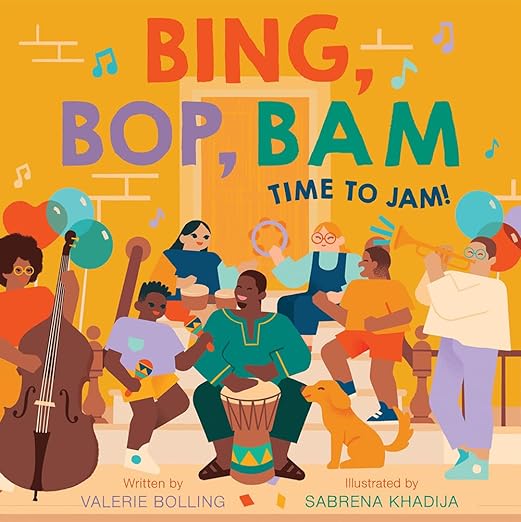
    Categories

    All

    RSS Feed

Proudly powered by Weebly
  • WELCOME
  • About
  • MUSIC PLANTS HOPE
  • PBJamz
  • Snippets
  • Contact
  • Events
  • Bio/Press kit