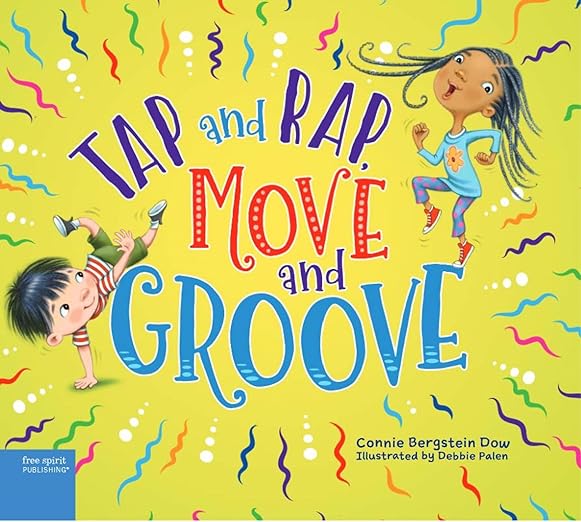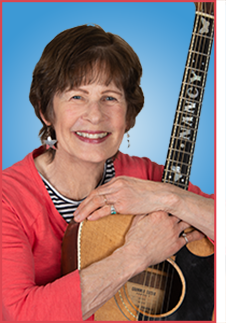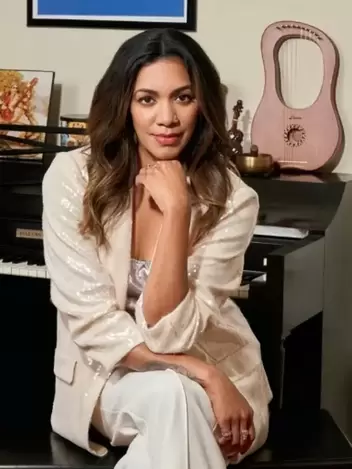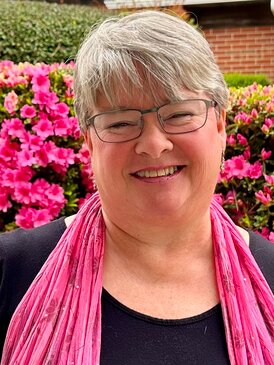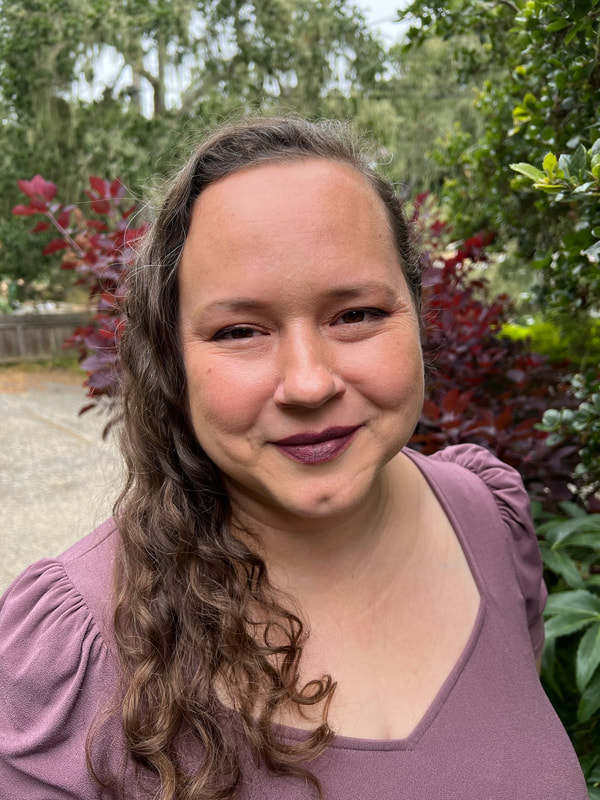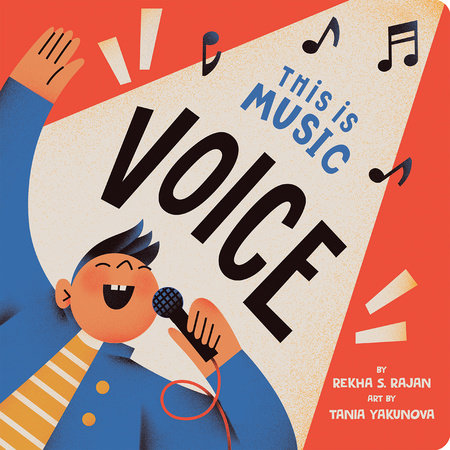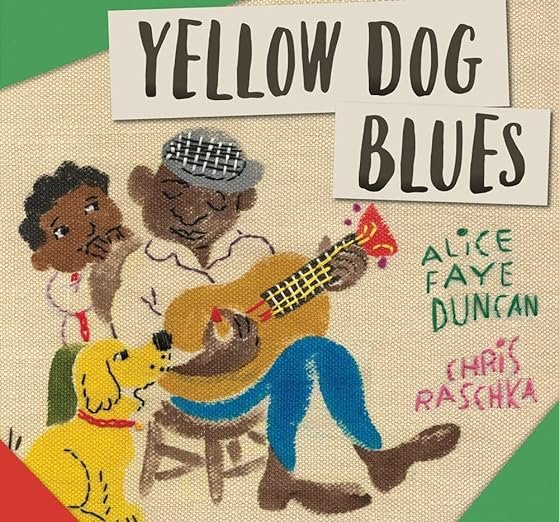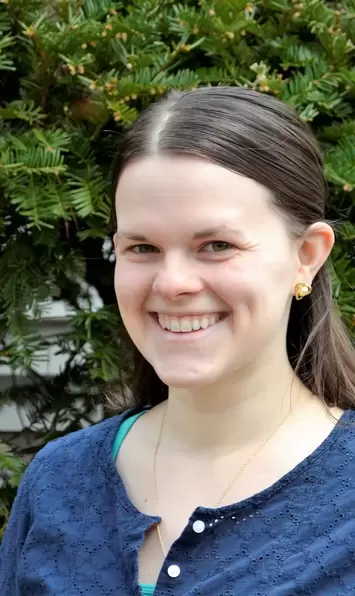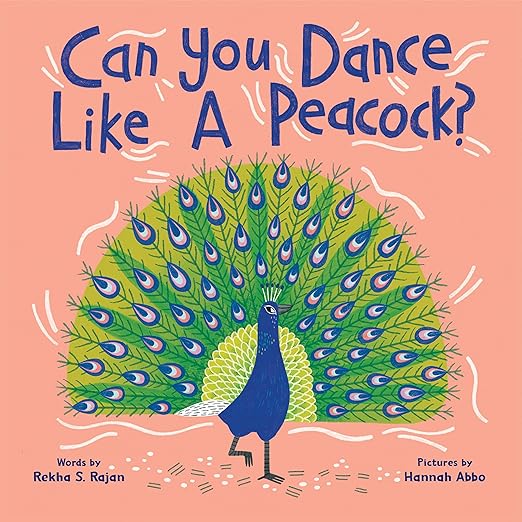
The Art of a Heartfelt StoryJoin Kimberly and me as we chat about working with illustrators and editors, watching a vision come to life, pouring our hearts and souls into our work, musical connections, specificity and how it leads to universality and much much more. It's a packed conversation! I hope you enjoy hearing Kimberly's journey for this beautiful book. AS YOU ARE: A HOPE FOR BLACK SONSWith beautiful lyrical text that is part song, part poem, part prayer, part love letter, part entreaty and part affirmation, Kimberly has done a lovely job of putting her love, concern, worry, belief and encouragement for her own son onto the page and generously shared it so that other mothers, other sons and other parents and children can benefit from her kind and heartfelt message. A Little Jam. . .(The Music Kind) As a musician, Kimberly often writes and performs songs that go along with her books (as you heard in the interview). This one is no exception. Click on the picture to take you directly to the place on her website where you can preview and download the song. With her strong and beautiful soprano voice, Kimberly adds another layer and gives moms a chance to share Kimberly's musical take on this message through song. Writers' JamLinks, More Fun, Extensions for Families and Everyone!Stay tuned next week for the Pinterest board and YouTube playlist! Be sure to visit the link above (or go to Kimberly's website to access the song. Guest Links and GiveawayKimberly's picture is linked to her website where you'll find her socials, songs, books, educational resources and more! The book image is linked to the Goodreads page, where you'll find links to purchase, reviews, etc.
0 Comments
A Colorful Convo with AnnetteFlip, fly, pop, lock and groove with Annette Murray and me as we chat about her book highlighting hip hop dance -- BOBBY'S FLIPPIN' FREESTYLE. With an SEL layer about stage fright/performing anxiety, this book will reach varied audiences. Join the conversation as Annette and I talk publishing, layers, SEL (social emotional learning), educational perspectives, and more! Annette is a delight and I think you will enjoy the chat. BOBBY'S FLIPPIN' FREESTYLEBobby is a super talented six-year-old who loves to hip hop dance. He learns to hip hop as a toddler and is training to enter a rec center showcase in his neighborhood. Bobby dreams of stomping, strutting, and swaying with no errors but he panics in front of a crowd. He heart races, he stumbles and forgets his moves. When the Flippin' Freestyle kicks off, neighbors of all ages 4-18 line up to showcase moves that impress the judges and the audience. Bobby's uncle reminds him how to stay calm. Breath slowly. Count in. Count out. Let your heart settle in. Picture yourself being the best you can be. The DJ starts spinning the vinyl, the crowd starts cheering, and Bobby starts dancing. He swirls, releves, and moves his body like a snake on the floor. It's okay until his pink sneaker lace drags behind, tripping him and bringing other dancers down. Will Bobby's mishap make him lose his confidence and the competition? Or, will he bounce back and keep dancing? Find out if Bobby's a winner inside, Bobby's Flippin' Freestyle. A Little Jam. . .(The Music Kind) |
| If you would like to own your own copy of BOBBY'S FLIPPIN' FREESTYLE, leave a comment below to be entered in the PBJamz giveaway by 11:59 PM on Wednesday, February 4, 2026.[EXTENDED to Saturday, Feb. 7, 2026] I'll randomly choose a winner after the entry period. Good luck!
Buy their book(s) -- for yourself or as a gift Leave reviews for their books Follow them on socials Share their books with others who will enjoy them |
Around the World and Through the Years in Music
Pirouette Kids Books
A Little Jam. . .(The Music Kind)
NEW FORMAT!!! CHECK IT OUT!
Teachers' Jam
Writers' Jam
Links, More Fun, Extensions for Families and Everyone!
Guest Links and Giveaway
If you would like to own your own copy of one of these sweet little sound byte board books, leave a comment below to be entered in the PBJamz giveaway by 11:59 PM on Sunday, January 25, 2026. I'll randomly choose a winner after the entry period. You can choose your favorite book to receive if you win!
- Please remember there are great ways to support authors:
Buy their book(s) -- for yourself or as a gift
Leave reviews for their books
Follow them on socials
Share their books with others who will enjoy them
A Multi-Layered Convo with Janna Matthies
BABY LET'S GO TO THE ORCHESTRA
A Little Jam. . .(The Music Kind)
Teacher Tips, Tricks and Topics
First of all, it is important to note that repeat readings are key for kids of this age. Also, as those of you teaching/working with them know well, their attention span is very short. So, keep that in mind. I would read aloud and focus on probably one of these things. The next reading I would focus on a different activity. You could easily do daily lessons for a week on this book for this age.
If you are a parent/caregiver wanting to use this book and get some extra educational mileage out of it, I would suggest similarly that you choose one - two concepts to focus on with subsequent readings.
I also have to say that this book in particular lends itself to a gift-giving set/basket/etc.-- Think of pairing this book with a little blanket stuffie, a fun magic wand/conductor's baton and perhaps one of the other toys in the book. What an absolutely precious gift that would make!
Layers and tips/follow-up activities.
Alliteration: Some of the spreads have lots of alliterative activities. These are fun to read aloud, fun to identify the repeated sound. You could even chant them, adding rhythm, etc.
Rhyme: Read, listen for the rhyming words. Play around with the rhymes -- find new words that rhyme. If your child is writing-ready, then have them copy the write the words. There are some fun word family activities on Pinterest that you could download, create, and use to go along as well.
Onomatopoeia: Kids love onomatopoeia! Play around with this idea of words for sounds. If you focus on this, you might pull out the old See'n'Say or play the song, "What Does the Fox Say" or "Who Let the Dogs Out" or "Old MacDonald Had a Farm" etc.
Tips and Topics for Music Teachers
As the book beautifully introduces each instrument, be sure to use and focus on the embedded vocabulary. Call-and-response is effective.
Ie. "This is a conductor. What is it?" -- (students: conductor) or something like that works well. Playing little matching games (two pictures of same instrument or if kids are reading, the instrument and name matching) If you have access to these instruments or someone could come in to play, that would be ideal. But either way, be sure to use Janna's playlist in the links section to reinforce the sounds.
Musical vocabulary:
Conductor
Baton
Violin
Strings
Bow
Viola
Cello
Trumpet
Tuba
Flute
Clarinet
Keys
Kettledrums (Tympani)
Cymbals
Conductor
In the interview, Janna and I talk a lot about conducting and how kids perceive that. It would be fun to give each student their own conducting baton (chopstick or craft stick with a star on the end [to match the one in the book].) Practice counting 1,2,3,4 and teach littles that 1=downbeat (bottom). then left-right for 2-3 and top for 4; repeat. You're reinforcing math/counting skills, one-one correspondence and crossing the midline, as well as improving large motor skills. This is also a repeating pattern, so you're getting a lot of bang for your buck with the conducting piece too.
Names/verbs-to-nouns
Whether you do this in spoken form (or written for more advanced students), one thing students struggle with is different forms of words. Ie. She is a conductOR She conductS. Now you can conduct. We are conducting. etc.
Violin-violinist
Cello- cellist
Trumpet -- trumpeter
etc.
Play around with the various forms of the vocabulary words and help kids get used to hearing (and saying) different forms of the word and that they are relative.
Concert etiquette
Several places the book mentions etiquette for listening to live music, so this is a great conversation for littles (and olders)
When do we clap?
How do we listen?
Should we talk or play during the music?
etc.
Why do they bow?
Pitch (Concept of high/low)
It's mentioned several times in the text, so this is a great time to introduce littles to the concepts of high and low. Play the instrument snippets and whether they sound high or low. If kids are ready you can talk about the characteristics of each instrument that makes them sound low or high.
Writing Prompts from Tonnye
These prompts are great for the kidlit community as well as students ;-)
- Write about a special toy (you had -- or it doesn't have to be) that played an instrument. Which instrument? Challenges?
- Which instrument from the book is your favorite and why?
- What was your favorite stuffie/toy from childhood and why?
- Write a story about an orchestra of instruments played by toys. How is yours the same as this one? How is it different?
- Write about the first time you went to a live concert.
- Write an acrostic poem entitled "Orchestra".
- Write a diamante or a cinquain poem moving from flute to tuba.
- Do you prefer fast music or slow? Why?
- Do you prefer instruments that play high or play low?
- Write your own rhyming story or poem about a xylophone played by an octopus.
- Look at the picture of the giraffe playing the clarinet. What is their name and how did they come to play the clarinet. Write the back story.
- Write a letter to the author and/or the illustrator telling them what you like and what you wish was different about the book.
- Draw a picture of another toy playing an instrument. Write their story.
- Write a report about one of the instruments in the book.
- The character's name is Penelope. What is her story? What instrument does she play?
- Write the sequel to this story, BABY, LET'S GO TO A CHRISTMAS CONCERT.
Writing Tips from Janna
2) Scour the most recent CHILDREN'S WRITER'S AND ILLUSTRATOR'S MARKET guide book, in print or digitally, to better understand the industry, your genre, the craft of writing, what editors and agents are looking for, how to find an agent, how to submit queries. It includes indexes by subject matter at the rear, full of publishing info.
3) Join the SCBWI (pro organization for the children's publishing industry). Read the website thoroughly and find a local critique group via your region's chapter. SCBWI conferences offer great learning and networking, chances to meet agents and editors and to register in advance for a paid critique.
4) Regarding finding an agent, check out manuscript wish lists on twitter at #MSWL as well as www.manuscriptwishlist.com, where editors and agents show what they want in general.
Links, More Fun, Extensions for Families and Everyone!
Spotify playlist that Janna curated to accompany the book (mentioned in the interview.)
Pinterest board with teaching activities, other book and music recommendations, crafts, and more!
Guest Links and Giveaway
Janna's Instagram
Janna's Facebook
Janna's Goodreads
(You can get purchase links for any of her books on this page)
| Janna would love to visit your school virtually to do a presentation for BABY LET'S GO TO THE ORCHESTRA! If you're interested in a school visit with her, please simply leave a comment below, and you will automatically entered to win! Thanks for watching and reading! Please share with a friend or colleague who might enjoy these conversations! If you read and enjoy BABY, LET'S GO TO THE ORCHESTRA, please leave a review, request it at your local library or bookstore, give it as a gift, and tell others about it who might enjoy it! Thanks for supporting our authors!! |
We Need a Little Christmas . . .
SANTA'S 18-WHEEL CHROME-AND-STEEL SLEIGH
A Little Jam. . .(The Music Kind)
Teacher Tips, Tricks and Topics
Country music (Check out the music teacher section!)
Trucking!
Preschool/Kinder ideas:
- Trucker play
- Sensory bin
- Pretend CB radio
- Truck crafts
- Truck matching
- Parts of a truck
- Vocabulary/trucking language
- Conversation/using quotation marks (w/CB radio)
- How goods travel (Use in conjunction with I TRUCK by Kelly Rice Schmitt)
Santa/Reindeer
Preschool/Kinder ideas:
- Santa/reindeer crafts (See Pinterest board below)
- Other stories and songs about Santa and/or reindeer alternatives
- Sensory play
- Writing activities
- Other holiday stories surrounding Santa's travels
- Letters to Santa
Preschool/Kinder ideas:
- Introduce globe/map
- World floor puzzles/foam puzzles, simple puzzles
- Ways to travel/transportation
- Play with globe inflatable balls
- Christmas Around the World songs/dances/stories
- Christmas traditions around the world
- Plot the locations mentioned in the book on a world map
- Learn the 7 continents
- Christmas Around the World songs/dances/stories
- More challenging puzzles
- We Wish You a Merry Christmas in different languages
- Christmas traditions around the world
Tips and Topics for Music Teachers
- Country music as genre -- Characteristics
- Compare old/traditional country music and country rock music
- (for older or advanced students) chord progressions I-IV-V
- verse/chorus/verse/chorus/verse/chorus/tag
- Create choreography/body percussion/percussion play-along or scarf routine to the song
Listen and identify instrumentation (timbre)
Write their own Christmas song about Santa and an alternate form of transporation
Writing Prompts from Tonnye
- Write a letter to Santa thanking him for your gifts last year and telling him your wish list for this year.
- Write your own Christmas song about Santa having to use something besides his sleigh to deliver gifts.
- Write a story about a new reindeer that Santa hired.
- Write a story about a student in one of the stops around the world. Who are they? What did they ask for? Why? Did they get it? How did they feel? etc.
- Write a CB conversation between Santa and another trucker.
- Read this book and I TRUCK by Kelly Rice Schmitt. Compare and contrast the two. Use a Venn diagram to plan and then write it out.
- Write a letter from Santa to a kid who saw him on the 18-wheeler instead of the sleigh.
- Write the story of what the reindeer did while Santa delivered toys without them.
- Write a cinquain or diamante poem moving from sleigh to 18-wheeler (or the other way around)
- Make a list of words that rhyme with sleigh. Write a story or poem using as many of them as possible.
- This story infers that Santa and his Reindeer perform this song. Writ about a gig where they perform. What do they sing? Who plays which instrument. How does the audience respond?
- This book says Mrs. Claus fixed him a "cup of Joe" (coffee), but often Santa is pictured drinking hot chocolate or Coca Cola. What is his favorite beverage? And why?
- Do you like this story? Why/why not?
- Write a letter to the author or the illustrator telling them 3 things you like about the book and one thing you wish they had done differently.
- What is your favorite genre of music? Why do you like it the best?
- If you could celebrate Christmas anywhere else in the world, where would you go and why?
- Write a report about how Christmas is celebrated in the places the author mentions in this story.
Writing Tips from Brandon
get to know a bit about my latest project, “Santa’s 18-Wheel Chrome-and-Steel Sleigh”.
A special shout-out to Tonnye Fletcher here at PBJamz for sharing this post! I’m so
happy to have brought this song to life as a children’s picture book and I sure hope you
and the little truckers in your life get a kick out of the story and illustrations!
As a writer, I am often asked about my process and if I have any routines that I follow
while writing. Conversely, I also enjoy hearing from other folks about their own creative
process. So I am happy to share with you a few tips that help me bring my ideas to life
and please feel free to add your tips in the comments section (which will also enter you
in a chance to win one or more of the Christmas Give-away Prizes).
Tip One: Write Even When You Aren’t “Feeling It”.
Writing after being struck with inspiration is wonderful, and often leads to exciting,
inspired stories and songs, but if you are like me, that can be inconsistent and often
comes at inconvenient times or not at all.
In the often hectic, scattered world of a multi-job, hustling Creative, having a routine is
challenging (and maybe even contradictive), but committing to a block of time,
consistently, is probably the most important step to creating “product”. I understand that
we are talking about creating art, but as a “commercial artist” we are also talking about
creating products. And nothing puts a business out-of-business faster than not
producing anything.
Writing and creating art is a great hobby, but can also be a rewarding profession, both
financially and personally. Acting and treating yourself as a professional is a great way
to help manifest those traits and manifest pro-level product and art.
Tip Two: Find Your Happy Place.
Having your place to create that is inspiring and allows you to work is important. For
some that may be an office or studio, the kitchen table, the front porch, or the coffee
shop (I love my “music room”). Some people thrive on stimulation; others need less
distraction (that’s me). The key is to have your place always at the ready. If it’s
unavailable when the muse strikes (or see Tip One, it’s your designated time to write)
you will be more likely to skip that session (and the next, and the next, and so on).
Tip Three: Write Down All of Your Writing Ideas, ASAP.
Getting started is the hardest part, and nothing makes getting started harder than
having nothing to write about. Having an idea that you’re sure will lead to a Pulitzer is
wonderful, but sometimes writing about the mundane or what seems to be the simplest
of topics can lead to great creativity.
Having an extensive list of random thoughts and topics and using those as simple
exercises to get started can be freeing and push you to think outside the box about a
subject or look at something from a different angle. Play with the words, over-use
adjectives and punctuation, don’t take yourself too seriously. Have fun. That mental
exercise with topics you may not feel worthy of extensive investment will still certainly
enhance your writing (and maybe even land you that Pulitzer Prize after-all).
Tip Four: Use Outlines, Maybe.
This may be a contentious tip, after all, there are “plotters” and “pantsers” (Google it).
Diving into a writing session or project without a plot, theme, or character arcs may work
for some (i.e., Stephen King), but not so much for others (i.e., J.K. Rowling). I have no
desire to tell anyone what to do (I cringe at the idea), and where you fall on the
spectrum is your business, but again this is a business and having a plan makes good
business sense.
For me, having an outline is a great way to start broadly and then begin filling in the
spaces in-between. While others may find this ridged or restrictive, I find it the opposite.
I feel it’s more liberating to have a structure that I can then allow myself to be free and
expressive within without losing cohesion or direction. And there is no harm in altering
the outline, plot, characters, or any other elements should your imagination steer you
there- It’s your ship!
If you’re new to writing or simply enjoy the conversation, I hope that these writing tips
may be helpful or reinforce what works for you. More than anything, I hope you enjoy
yourself and the process and thank you for sharing your gift and stories with us all!
Please share your tips and comments below (and enter to win Christmas Give-away
Prizes)!
Links, More Fun, Extensions for Families and Everyone!
Curated YouTube playlist of songs and activities to go with SANTA'S 18-WHEEL CHROME AND STEEL SLEIGH
Pinterest board with activities to go along with SANTA'S 18-WHEEL CHROME AND STEEL SLEIGH
Guest Links and Giveaway
~2 thematic squishy balls (1 each to 2 different winners!!)
~2 thematic Christmas ornaments (1 each to 2 different winners!!
~2 thematic T-shirts (kids and adult sizes [SML] available) (1 each to 2 different winners)
~1 copy of the book!!!
Leave a comment below to be entered and be eligible to win one of these very fun Christmas giveaway prizes!
A Winding Wiggly Conversation with Rosie J. Pova about SALLY'S MUSICAL TALE
SALLY'S MUSICAL TALE
A Little Jam. . .(The Music Kind)
Teacher Tips, Tricks and TopicS
Piano (See Music Teacher section)
Snakes -- This book would make a fun kick-off for a snake unit or a chunk in a snake unit. There are so many ways you could branch out with snakes depending on the age of your students/children. I will list a few here, but there are tons of crafts and lessons and activities in the Pinterest board in the links section as well.
- Snakes and Ladders (could be used with all kinds of content
- Snake life cycles
- Snake body parts
- Snakes as a larger part of a reptile unit
- -ake word family/rhyming words
- Different types of snakes
- Values, benefits and dangers of snakes
- Snake conservation
- Pair with nf snake text or snake poems for literacy
Teamwork
Perseverance/tenacity
Creative thinking -- These all tend to lend themselves to social-emotional learning, growth mindset, etc. This book would make an excellent example for any of those areas or to use as a jumping off place for diving into some of those topics.
ELA (English/Language Arts)
- onomatopoeia
- puns/word play
- Verb tenses/endings
Tips and Topics for Music Teachers
- Basic piano knowledge (black and white keys, key names, etc.). There are quite a few piano games in the YouTube playlist and the Pinterest board.
- Listen to piano music (You could extend by focusing on one or more famous pianists or piano composers.)
- Fun challenge: Try to get 10 kids using one finger to play together on the piano. Talk about the challenges Sally and her siblings would have had learning to play together.
- Scavenger hunt in the book: Find all the instruments (names and/or pictures)
- Snake songs (Check the YouTube playlist and Pinterest board)
- Songs about problem-solving, teamwork, perseverance, tenacity, and creative thinking.
- Pair with other piano books (MY PIANO by Jen Fier Jasinski, for instance) for a piano unit in the music room.
- Musical vocabulary/language:
- Pianist/piano
- keys
- melody
- octave
- concerto
- technique
- maestro
- musician
- drums
- harmonica
- rattle
- rehearsal
- perform
- concert
- high note
- audience
Writing Prompts from Tonnye
- Write your own snake story.
- Write the sequel to SALLY'S MUSICAL TALE. What happens at her music school?
- Write about what one of the rehearsals might have looked like with Sally and her siblings practicing.
- Write a letter to the author and/or illustrator telling them your favorite things about the book and asking any questions you might have.
- Write the story from the piano's point of view (How would you like to have ten snakes pounding on your ivories?!)
- Write a letter to Sally. Do you want to be a student at her school? Tell her how proud you are of her and her siblings?
- Make a list of your own musical puns/word play.
- Write a story about another animal who learns to play an instrument.
- Have you ever taken piano lessons? Write about your learning journey.
- Draw a picture of Sally and her siblings playing a piano concert. Then write a story to go with the picture.
- See if you can write a rhyming poem with 10 lines and every line rhymes with snake.
- Tail/tale sound the same but have different meanings. Write a story using both words correctly.
- Make a list of 10 interesting facts about snakes.
- Write a letter telling someone why they should not be afraid of snakes.
- Are snakes good animals? Why or why not?
- Write about a time when you showed tenacity and perseverance.
- Try these poetic challenges:
- Write a cinquain or a diamante poem starting with tail and ending with tale (or vice versa)
- Use the cinquain or diamante form but start and end with piano and snake.
- Write a concrete/shape poem in the form of a snake.
- Write an acrostic poem using snake or piano
- Choose one kind of snake. Learn everything you can about it and write a report about it.
Writing Tips from Rosie
- Don’t open your story with dialogue — unless you’re being very intentional and have a strong reason for doing so. An opening line should ground the reader first, not confuse them about who’s speaking or what’s happening.
- Keep your POV consistent and your main character in the spotlight. Don’t let secondary characters steal the scene or drive the story — your protagonist should always be the emotional and narrative center.
- Make sure your story doesn’t read like a script. Watch out for “talking heads,” play-by-play action, or flat descriptions.
Links, More Fun, Extensions for Families and Everyone!
Pinterest board with lots of crafts, snake facts and activities, teaching ideas, and all sorts of fun things to do with SALLY'S MUSICAL TALE.
**Free poster with cool snake facts!!! https://www.rosiejpova.com/books.html (Look for the green arrow!)
Guest Links and Giveaway
Follow her here:
FB
X
IG
More about the book and order links on her website or here on Goodreads.
| To be entered to win a free picture book critique by Rosie J. Pova, please leave a comment below by 11:59 PM ET Nov. 19, 2025 All comments will be entered into the random drawing for ONE picture book critique (subject to Rosie's parameters: fiction, non-rhyming, up to 700 words.) Ways you can help authors: Follow them on Amazon Request their books at local libraries and bookstores Leave positive reviews on Goodreads, Amazon, Barnes and Noble Follow them on Goodreads and social media accounts Share their books with people you think would enjoy them. Buy their books. They make great gifts! |
A Layered Conversation (Just like the book . . .)
I GOTTA SING by Alice Faye Duncan
A Little Jam. . .(The Music Kind)
Teacher Tips, Tricks and Topics
- Bathtime
- Setting -- Farm
- Singing/rhythm/moving
- "I Gotta Sing" -- contemporized spiritual
- Intergenerational relationships
Because of the content, I'm shooting for preschool - K in these tips, but you could choose the song element or the intergenerational relationships and use it with primary kids.
- Bathtime
- Bathtime sensory bin
- Bathtub "reading" area with pillows
- Sequencing activities related to bath time
- Other bathtime books
- Handwashing activities
- Bathtime songs
- Reward charts
- Setting -- Farm
- Farm Animals
- Puppets
- Life cycles
- Crafts
- Animal sounds/onomatopoeia (That topic could also translate up for older kids)
- Farm songs
- Other farm tips/topics
- Tractor
- Art --
- Directed drawing
- color-by-number
- Use tractor tires to paint
- Design-a-tractor (use simple template)
- Music
- The Wheels on the Tractor
- Old McDonald
- BINGO
- Poems with rhythm
- Tapping out farm syllables (tractor =2 eighth notes; farm = quarter note, etc)
- Sensory bin/tractor play
- Literacy
- Read other books about tractors and farms
- Poems
- Song lyrics
- Art --
- Tractor
- Farm Animals
- Singing/rhythm/movement
- Just SING!
- Talk about the importance of singing
- Listen for rhythm/music wherever you are
- Make up little songs about whatever you're doing together
- Find fun ways to move from one place to another
- Can you hop to the next stop?
- Run?
- Jump?
- Skip?
- "I Gotta Sing"
- Sing different versions
- Make up additional moves/sounds
- Use the template in the back of the book to write additional verses
- Intergenerational stories
- Read more stories about grandparents and great-grands, great aunts/uncles, etc.
- Have students draw pictures of elderly people who are important to them
- Ditto above, but write a letter or poem, etc.
Tips and Topics for Music Teachers
farms/farm animals
grandparents/elderly friends
bath time, etc.
Obviously, the strongest music content comes from the song "Gotta Sing When the Spirit Says Sing".
- Learn the words and sing
- Use versions with strong steady beat and do body percussion to keep the beat or
- Have kids make up a body percussion routine to the song.
- Compare 2 or more versions of the song
- Different instruments?
- Different styles or genres?
- Different vocalists?
- Different tempo?
- What else is the same or different.
- Talk about the history of the song
- Black spiritual
- Civil rights
- Write their own verses to the song and perform them.
Writing Prompts from Tonnye
- Write 3 new verses to the song.
- What do you think is the central message of the song? Why do you think that's important?
- Write about your favorite bathtime rituals/traditions.
- If you were trying to. get a younger kid to take a bath, what would you do?
- Why do you think little kids don't like to take baths?
- Which farm animal in the book is your favorite? Why?
- Have you ever spent time on a farm? Write about your experience.
- Write a poem about farm animals using at least 4 onomatopoeia.
- Does an older family member or friend take care of you sometimes? Write about that experience. What do you like/dislike?
- Write your own "Gotta Sing" story, but set it somewhere else besides a farm.
- Write a letter to the author telling her your favorite thing(s) about the book and one thing you wish she had done differently.
- Draw a postcard and write a note on the other side to the illustrator, telling him why you like (or don't like) his illustrations.
- Write a poem about Bath Time
- Choose another black spiritual and write it into a story. Where will it be set? Who are the characters? Why are they singing the song? How will you change the words?
- Write a story called "The Singing Farm"
Writing Tips from Alice
2. For practical work, purchase writing pens and notebooks that are aesthetically pleasing to you.
3. For inspiration, visit local art and history museums
Links, More Fun, Extensions for Families and Everyone!
Pinterest board with lots of farm animal crafts, sound activities, puppets to act out the story/song, information about the spiritual, and lots of info about singing + more!
Guest Links and Giveaway
PRH link for I GOTTA SING
FB
IG
Goodreads (Check here for all the ways to purchase Alice's books -- or visit her website)
Ways you can help authors:
Follow them on Amazon
Request their books at local libraries and bookstores
Leave positive reviews on Goodreads, Amazon, Barnes and Noble
Follow them on Goodreads and social media accounts
Share their books with people you think would enjoy them.
Buy their books. They make great gifts!
A Convo with a Trio -- A Tribute to Collaboration and Creativity
SHOWDOWN SYMPHONY
A Little Jam. . .(The Music Kind)
Teacher Tips, Tricks and Topics
- Rhyme
- Allegro --Rhyming couplets
- Adagio -- Quatrains (ABAB rhyme pattern)
- Andante -- Tercet (AAA rhyme pattern)
- Scherzo -- Rhyming couplets
- Allegretto --Quatrains (ABAB rhyme pattern)
- Onomatopoeia
- Alliteration
- Strong verbs
- Conflict in stories
- Problem/solution
- Vocabulary!! (Consider teaching kids to create a word bank for stories. For instance in this story, a good word bank would be various words about movement, how animals move. Go through and find all the words that relate to movement. Then maybe categorize them. Then have students create their own word bank and write a story using their word bank.)
- Forest/woodland habitat
- Food chain
- Tie in with music
- Move to various tempos
- Choreograph a dance move for each animal's motif
- Draw to the music
- Create puppets for the animals
- Use puppets to act out story
- Act out story
- Assign students to be characters; create a voice for each character, mannerisms, etc.
Tips and Topics for Music Teachers
This one seems like the most obvious. The whole book is designed to teach about tempo and their Italian terminology, so for sure I would lean into that. Here are the tempos that are featured in the book.
- Allegro
- Adagio
- Andante
- Scherzo
- allegretto
Featured instruments
If you listen to the music carefully (or listen to the interview), the composer features several instruments in the musical accompaniment to the story. Musical scavenger hunt (discovering the instruments for each character) would be fun as well as other activities featuring these instruments (and characters)
- Mouse -- Oboe
- Cat -- Viola
- Owl -- Harp/French horn
- Dog -- Trombone
In addition to highlighting these in the book, it's a great time to introduce them to these instruments in very intentional ways as well. Sound samples, videos, demonstrations, visiting artists, allowing kids to see, touch and encounter these instruments in whatever ways possible would be great!
Beyond these two obvious ways to use the book in the music room, two other ideas that come to mind are:
- Using music as accompaniment to stories.
- Creating their own accompaniment to a favorite story
- Exploring other accompaniments to stories
- Acting out the story with puppets (check out the Pinterest board for lots of easy puppets to make and utilize with the story.). This idea could easily attach to tempo as you would have the puppet animals move at the tempo of the music.
Writing Prompts from Tonnye
- If Mouse had stayed put in the forest, do you think Owl or Cat would have won? Why?
- This book is full of rhyme. Choose another animal and write a rhyming poem featuring your animal.
- Why do you think the author changed the poetic format for each tempo.
- What is your favorite physical activity? Which tempo matches it best? Explain.
- Mouse is in a difficult place -- between owl and cat. Have you ever been in a situation where neither outcome seemed good? What did you do? Write that story.
- Start where Mouse is between Owl and Cat. Write a different ending to the story.
- Pretend you are one of Mouse's kids. Write a letter to your mom. Be sure to include some of the details of the story in your letter.
- Why do you think the composer chose the harp AND the French horn to represent the owl? Do you think that was a good choice? What would YOU have chosen? Why?
- Choose one of the animals from the book. Write a report or a nonfiction article about that animal. Be sure to do good research.
- Do you like rhyming books? Why or why not?
- Write a letter to the author or the illustrator or the composer telling them why you like (or don't like) the choices they made when creating this book.
- Write your own book review for this book.
- Choose a different set of animals and write your own story with a strong conflict.
- Choose your favorite illustration from the book and write a descriptive paragraph about it.
- Write another story (it doesn't have to rhyme) using at least 3 of the tempos that are featured in this story.
Writing Tips from Kevin
Taking your book idea all the way through to publication is almost always a long journey full of hills and valleys. The best piece of advice I can give is to find good companions. By joining the right Facebook groups and following helpful authors in your space on Instagram and TikTok, you'll save yourself so much time by learning as many things as possible through their successes and failures in addition to your own.
2. Seek and embrace expert feedback
I've attended perhaps a dozen SCBWI (Society of Children's Book Writers and Illustrators) conferences, received paid critiques on my manuscripts from editors and agents, and worked with five different self-publishing and marketing coaches. What I've learned from them all hasn't been cheap, but compared to how long it would've taken me to gain their wisdom on my own, their input has been invaluable.
3. Clarify and follow your goals
What does success look like to you? Do you really want to land your book with a traditional publisher, or are you fine to self-publish? Is your project a labor of love that you won't mind only your family and friends supporting, or do you really want to reach a wider market? Being clear about your goals, and *especially* about the ability of your manuscript to get you there, can save you lots of time, money, and frustration. Again, it's extremely helpful to get advice from agents and editors who publish what you're writing. You may have written a beautifully crafted story, but agents and editors will know whether or not its subject matter and audience is sellable at the moment. Again, it's typically a long road from idea to print, and I wish you all the courage, conviction, and good companionship you can muster!
Composition Tips from Emmaline
- Always start with an inspiration whether it's a personal experience, a place, or a story. When you write music about something, it's always much more impactful.
- Although reading music is helpful, you don't need to read music to write it! Just pick up an instrument of your choice, learn how to play chords (much faster than learning to read music), and experiment!
- Listen to the kind of music you want to write. It's ok to copy a little when you're just starting out. That's how we learn!
Art Advice for Up-and-Coming Illustrators from Sarah
- Only about 25% of the job is making art, the rest is building a business, marketing, making connections, and fostering positive relationships everywhere you go.
- Draw what you love, and your passion will show!
Links, More Fun, Extensions for Families and Everyone!
Pinterest board with lots of activities related to the characters in the book, the instruments highlighted in the music, the featured tempos
Guest Links and Giveaway
Email: [email protected]
Web: www.showdownsymphony.com
- Contains free and paid resources for elementary music and ELA instruction
YouTube (videos created with a fellow 6th grade teacher): Sixth Grade Support
The Book Video Trailer on YouTube
IG: kevin.klein.writing
Emmaline's Connections:
Website: https://www.emmalinemusic.com/
Instagram: https://www.instagram.com/emmaline__music/
Sarah's Connections:
Website: https://www.sarahnewellillustration.com/
Journeys -- of Books and Musicians and Writers
SAMBA: THE HEARTBEAT OF A COMMUNITY: AILTON NUNES'S MUSICAL JOURNEY
A Little Jam. . .(The Music Kind)
Teacher Tips, Tricks and TopicS
- The themes in this book are very well-suited for SEL focuses:
- Resilience
- Persistence
- Tenacity
- Consequences of actions/cause & effect
- Balancing responsibility with pleasure
- Learning from our mistakes
- Discipline
- Resilience
- Brazil
- Geography
- Maps
- Cities
- Culture (esp. music and dance)
- Celebrations
- Samba schools
- Geography
- Wants/needs
- Timelines (in conjunction with math -- number lines)
- Fashion/costume design
- Creating musical instruments from available materials
- Figurative Language
- Similes
- Onomatopoeia
- Similes
- Cause/effect
- Features of text (font and size)
- Timelines (in conjunction with social studies)
- This story includes lots of numbers and would be very easy to create story problems.
Tips and Topics for Music TeacherS
- Music
- Dance
- Culture (Carnaval, etc.)
- Samba Schools
MUSICAL VOCABULARY
- Check the back matter for glossary and musical instruments
CREATING INSTRUMENTS FROM AVAILABLE MATERIALS
"FOUND" MUSIC
PARTNER BOOKS:
BUILDING AN ORCHESTRA OF HOPE by Carmen Oliver
Delia Ruiz's board book series on Latin dances
Writing Prompts from TonnyE
- Listen to some samba music and free write as you listen.
- Write an acrostic poem about samba music.
- Research samba in Brazil and write a report.
- Write about a young girl who wanted to become a samba percussionist.
- What is the most important lesson you learned from Ailton Nunes?
- This book has lots of onomatopoeia. Write your own story or poem with onomatopoeia.
- Write a "how-to" piece explaining how to create a percussion instrument from "found" objects.
- Would you want to play in a bateria? Why/why not?
- Compare this book to BUILDING AN ORCHESTRA OF HOPE. Find at least 5 similarities and 5 differences and write about them.
- Why do you think Ailton Nunes was so successful with his music?
- What are some important lessons he learned along the way?
- Draw a picture of a fancy carnaval costume. Then write a paragraph describing it.
- This book has quite a few similes. Try crafting 10 beautiful similes.
- Write a letter to Ailton Nunes and/or the author, Philip Hoelzel and tell them what you enjoyed about the book.
- Make a list of the onomatopoeia in the book and use those words to write a different story.
Writing Tips from Philip
- Write what you know and/or are interested in because publishing can be a long process. Don’t chase trends.
- Don’t be afraid to try new things. Just say yes. You never know where saying yes can lead.
- Your free time is your own and it is precious. Use it to invest in your interests, goals or dreams.
- Take a writing or illustration class or two to get an idea of how books for children are made.
- When you are really stuck on a manuscript, let it rest for a while (two weeks, three months, six months) Work on something else.
Links, More Fun, Extensions for Families and Everyone!
Pinterest board full of samba music, activities for the music classroom, and more!
Guest Links and Giveaways
Philip's Instagram
Philip's Goodreads page for SAMBA (for purchase information, to read and leave reviews)
Philip has generously offered a virtual classroom visit to one lucky winner! If you'd like to be eligible to win a classroom visit, simply leave a comment below! (If you are not a teacher, I'm sure Philip will honor the visit to a school or teacher of your choice. What a lovely gift to give a teacher!)
Music, Access, Creativity, and Much, Much More
THAT SWINGIN' SOUND:The Musical Friendship of Ella Fitzgerald and Louis Armstrong
A Little Jam. . .(The Music Kind)
Teacher Tips, Tricks and Topics
- Social Studies
- Black history/civil rights
- Apollo Theater
- Black performers vs. white performers (difference and similarities)
- Change over time -- black performers in the 1940s-1960s compared to black performers of today.
- US Geography -- New York, New Orleans (and lots of other places mentioned in the book), map skills, compare and contrast various places, etc.
- Various forms of transportation
- Walking
- Riverboat
- Trains
- Cars (pictures only in the book)
- Black history/civil rights
- SEL (Social/Emotional Learning)
- The power of teamwork
- Resilience
- Perseverance/Tenacity
- Being brave/trying something new
- ELA (English/language arts/reading/spelling)
- Nonsense words (tie in with scatting)
- Onomatopoeia
- Figurative language
- Similes (scavenger hunt in the book, use as mentor text, write your own similes, etc.)
- Verbs
- Strong verbs vs. weak verbs
- Changing forms -ed, -ing endings, etc.
Tips and Topics for Music Teachers
- Music History 1940s-1960s
- Civil rights and its impact
- The rise of jazz
- Famous black performers
- Musical styles
- Musical landmarks
- Biographies
- Louis Armstrong
- Ella Fitzgerald
- Jazz as a genre
- Instruments
- Performers
- Characteristics
- Scatting
- Who?
- Why?
- How?
- Jazz rhythms
- Careers in music
- Singer
- Instrumentalist
- Dancer
- Producer
- Theater director
- Teacher
Writing Prompts from Tonnye
- Choose a song by Louis and Ella. Close your eyes and listen to the whole piece of music. Then write a sentence, paragraph, or longer piece (depending on age and ability) about your thoughts and feelings about the piece.
- Louis played trumpet and sang. Which would you rather do? Why?
- After reading the book, what was your favorite page or spread (2 facing pages)? Write about why you chose that part.
- Louis Armstrong was often called "Louie" Armstrong, but he said in an interview he actually preferred Louis "Lewis". If your name can be pronounced more than one way, write about which pronunciation you prefer and why. OR if you have a name that is often mispronounced, or people call you a nickname or something different, write about that and how it makes you feel.
- Louis and Ella made quite a team! Write a story about a set of partners that are better together than they are apart.
- Write a story about Louis and Ella told from the point of view of Louis's trumpet and/or Ella's microphone.
- Change Louis and Ella into animal characters. Write THEIR story.
- Ella and Louis mostly sang and played jazz music. Do you like this genre? Why/why not?
- Both Ella and Louis were famous for their scatting skills. Scatting is singing in the moment with made-up/nonsense words. Write your own song using nonsense words.
- Ella was an orphan (She didn't have living parents who took care of her.) Write about how you think it would feel to be an orphan.
- Louis got in trouble in New Orleans for disturbing the peace and was taken away from his family and had to live far away. How do you think he felt being far away from the people he cared about?
- Have you ever gotten in trouble? How did it make you feel?
- Louis and Ella both had moments where they were afraid. When you are afraid, what do you do? How do you handle being afraid?
- Write a letter to the author and/or the illustrator, telling them your favorite parts of the book. Include at least one question you have about their work.
- Write a poem about something the book made you think about.
- When things got hard or scary, Louis and Ella did not give up. Why is it important to keep trying even if you feel scared or if what you're trying to do seems too hard?
- What is one important lesson we can learn from Louis and/or Ella? How can you use that lesson to help you or someone you care about?
- Take a music walk! 10 minutes. Walk around your school, your neighborhood, or your yard or a park. Jot down all the "music" you hear. Then go home and write about your experience hearing music everywhere.
Writing Tips from Rekha
Links, More Fun, Extensions for Families and Everyone!
Pinterest board full of jazz info and activities, scat singing, biographical info, coloring sheets and other things related to Louis and Ella.
Guest Links and Giveaways
Rekha's website
Rekha's Twitter/X
Rehka's Amazon page (with all her books)
Rehka's Goodreads page
Goodreads page for THAT SWINGIN' SOUND (due out October 14, 2025!). Pre-orders are available! Read reviews, find out where to purchase, write your own review!
Rekha is offering a Winner's Choice Giveaway! Leave a comment below to enter and IF you win, you can choose one of the following:
- A copy of THAT SWINGIN' SOUND
- A virtual school visit
- PB critique
PBJamz
This page is the official space for PBJamz -- multimedia Jamorama celebrating all things PB (picture books) and Jamz (music), although we'll indulge in the other PBJ snacks where appropriate :-). Join us each Thursday for new content connecting picture books and music!
Archives
January 2026
December 2025
November 2025
October 2025
September 2025
August 2025
June 2025
May 2025
April 2025
March 2025
February 2025
January 2025
November 2024
October 2024
September 2024
August 2024
July 2024
June 2024
May 2024
April 2024
March 2024
February 2024
January 2024
November 2023
October 2023
September 2023
August 2023
July 2023
June 2023
April 2023
March 2023
February 2023
January 2023
November 2022
October 2022
September 2022
August 2022
July 2022
June 2022
May 2022
April 2022
March 2022
February 2022
RSS Feed